If you walk into your master bath and the vanity looks exactly like it did when the previous owners lived there, you are not alone. Most homes in Delaware County built between the 1960s and 1990s came with builder-grade cultured marble vanities, laminate surrounds, and fixtures that have long overstayed their welcome. The good news is that replacing your vanity is one of the most cost-effective ways to transform how your bathroom looks and functions every single day.
Choosing the right bathroom vanity styles matter more than most homeowners expect. The style you choose shapes what is possible with your plumbing, your storage, and your resale value. This guide walks you through the five main styles, what is trending in 2026, which colors hold their value over time, and what older Delaware County homes need before installation begins. By the end, you will know exactly what to tell a contractor when you are ready to move forward.
Table of Contents
What Are the Different Bathroom Vanity Styles?
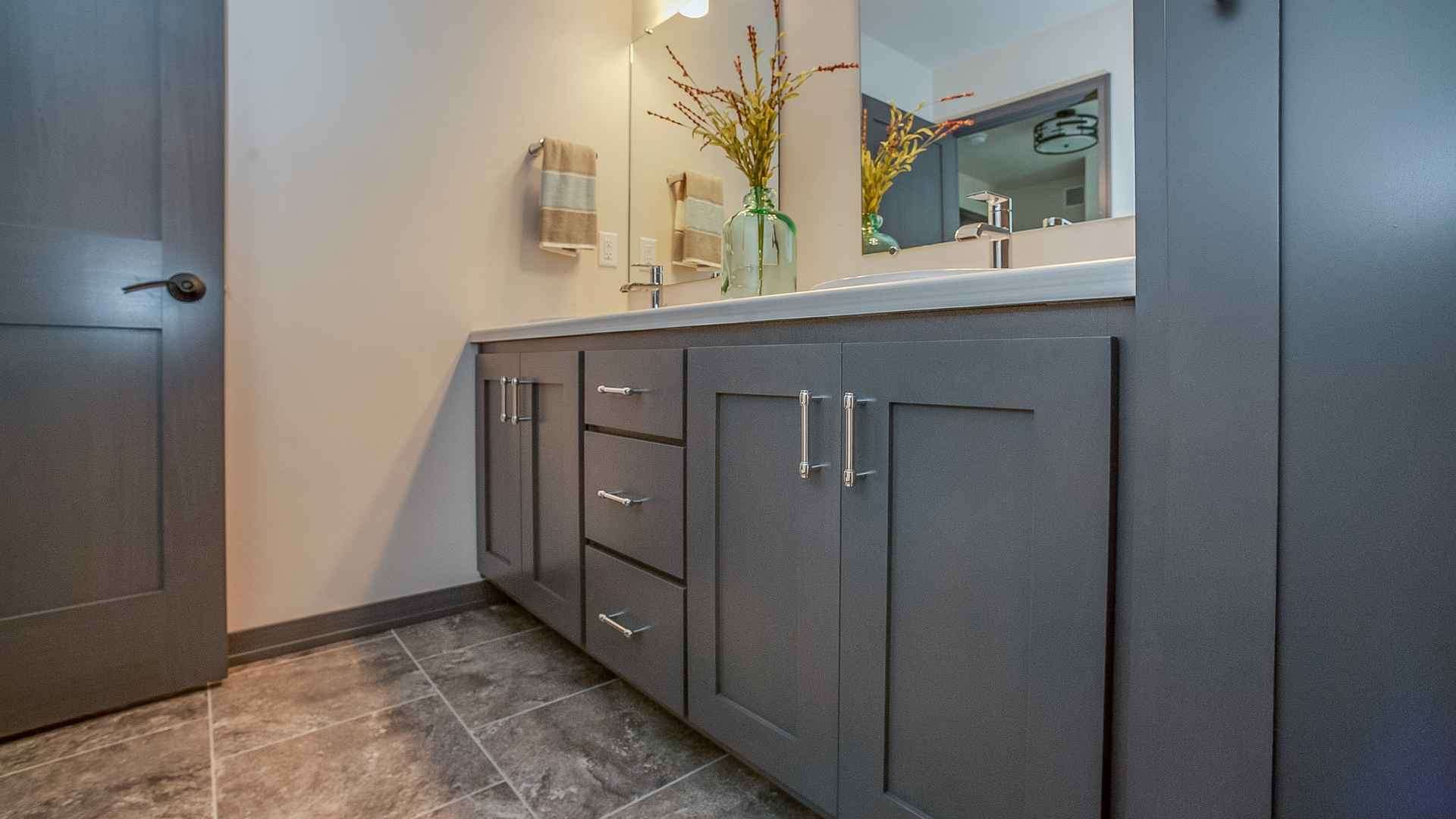
Bathroom vanities come in five main styles, and each one fits a different type of bathroom and design goal.
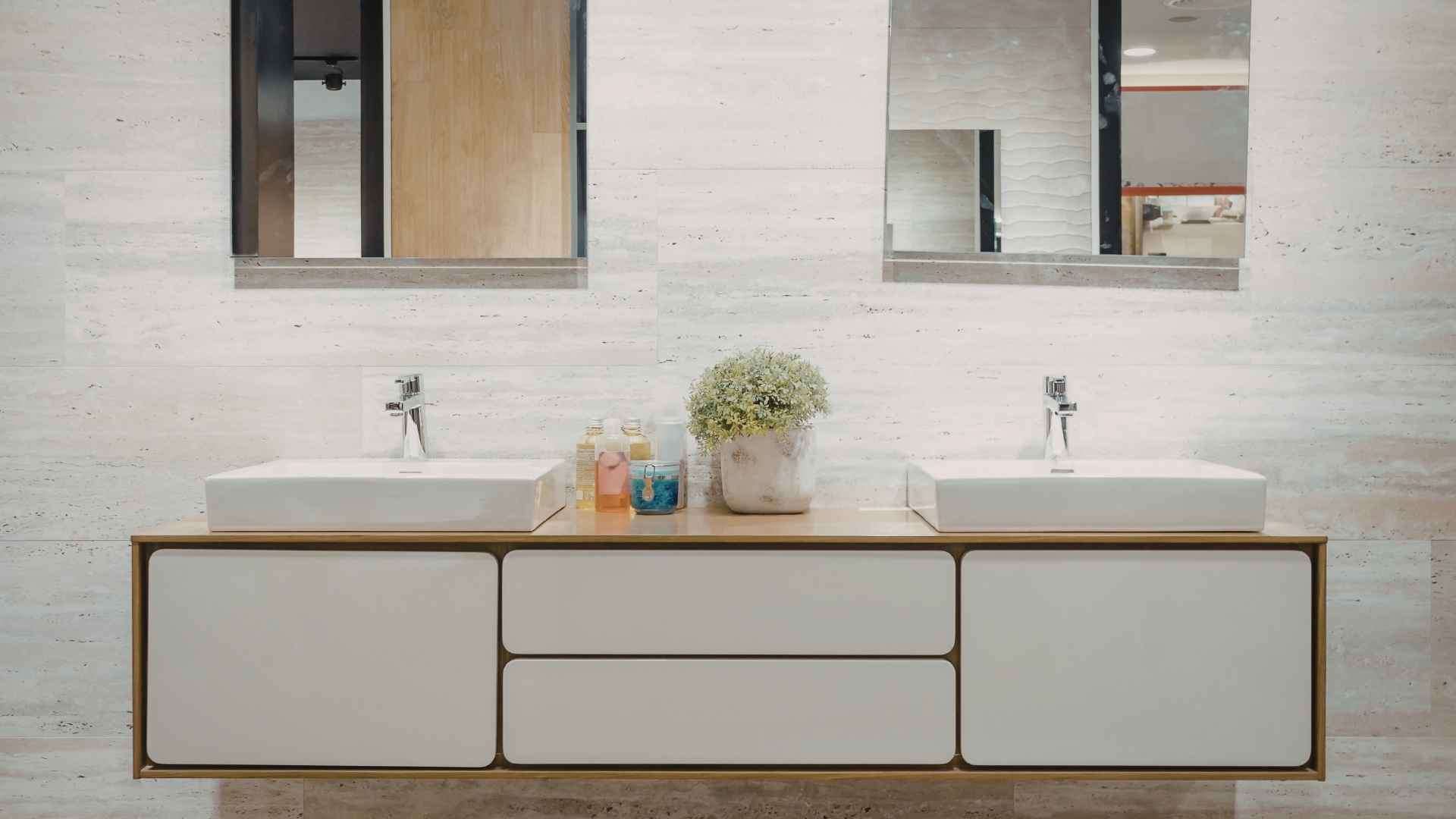
Floating vanities mount directly to the wall and leave the floor completely open beneath them. That open floor space makes a room feel larger, which is why floating styles are one of the most requested options in Media-area master bath remodels right now. They require solid blocking inside the wall, which is an important consideration in homes with plaster walls or older framing.
Freestanding vanities sit on the floor and offer the most cabinet storage of any style. Their furniture-like look fits naturally in the colonial, cape cod, and split-level homes common across Delaware County. They are also the most straightforward to install when the existing plumbing stays in place.
Pedestal sinks have no cabinet at all. They create a clean, timeless look that works best in powder rooms and secondary baths where storage is handled elsewhere.
Vessel sink vanities feature a bowl-style sink that sits on top of the countertop rather than dropping in or mounting underneath. They create a bold focal point and are trending strongly in 2026 master bath renovations. Keep in mind that vessel sinks require a taller countertop height, so the existing vanity base may need to be replaced or raised.
Corner vanities fit into an unused corner of the room. They are underused in local powder rooms and half-baths, and they can recover square footage that would otherwise go to waste.
For most homes in Media, Swarthmore, Glen Mills, and Wallingford, freestanding or floating styles are the most common choice. They balance storage, style, and a clean look that holds up well over time. If you are ready to talk through which option fits your bathroom, you can schedule a free consultation with our team for bathroom vanity installation in Media, PA.
Your Bathroom Layout Determines Your Vanity Style Options
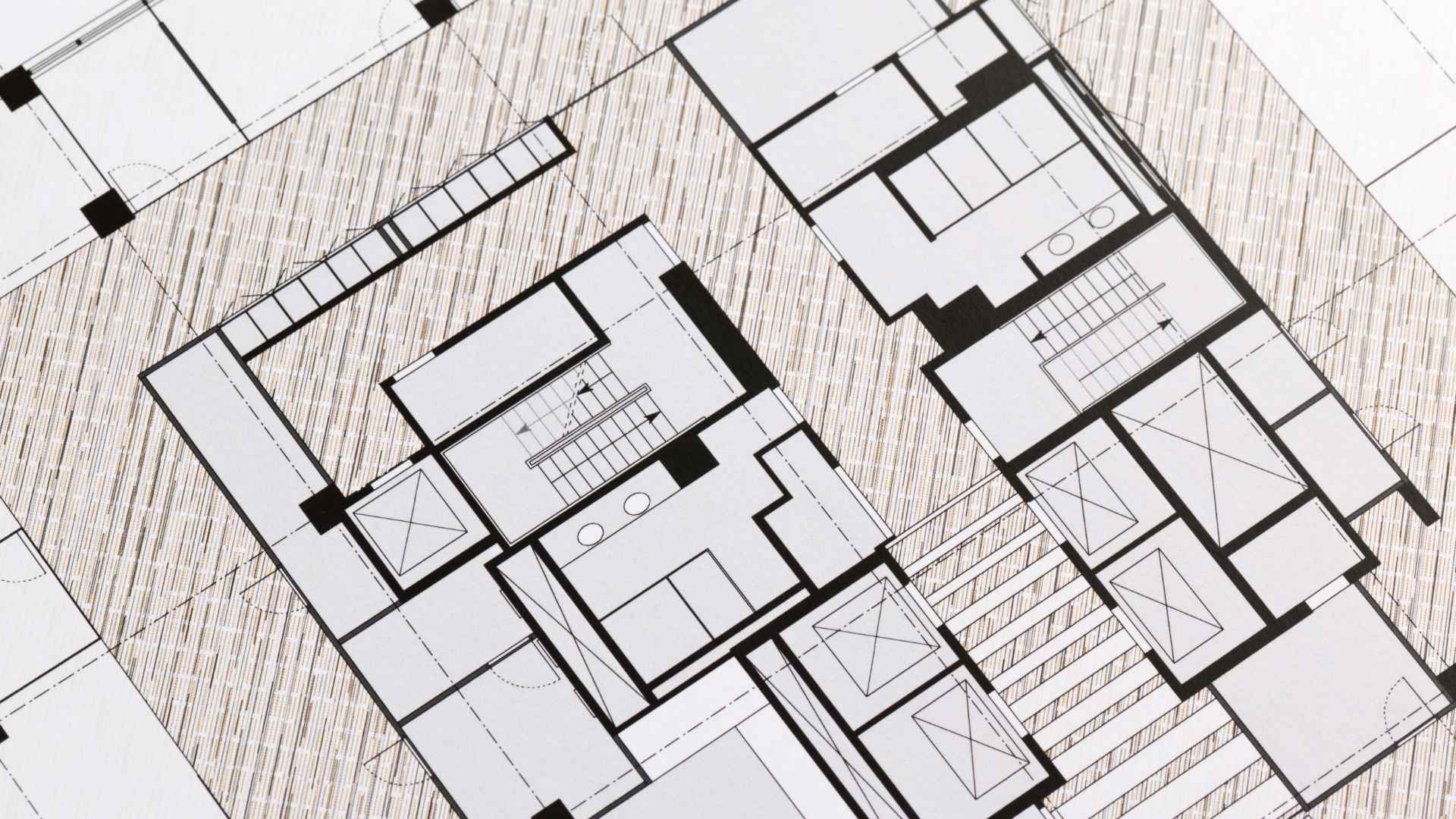
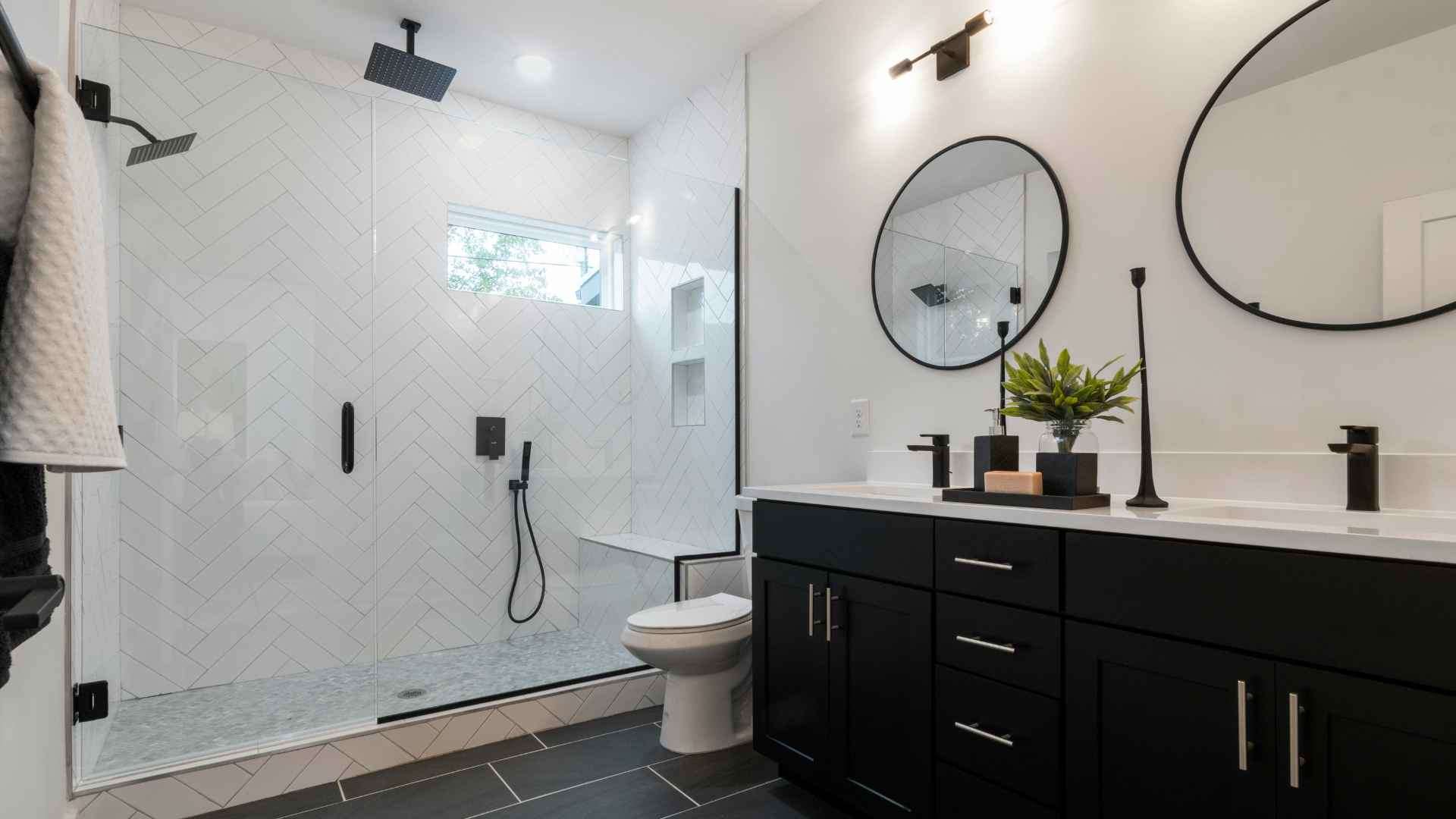
Before you fall in love with a style, your bathroom dimensions need to have their say. A floating or pedestal style is almost always the right call in a bathroom under 50 square feet. The open floor creates the visual illusion of more space, and that matters a great deal in smaller baths.
Standard master baths in 1970s and 1980s colonials in Delaware County typically have enough room for a 60-inch or 72-inch freestanding double vanity. That is the most common upgrade we complete in Upper Providence Township, Newtown Square, and the surrounding communities.
One thing many homeowners do not consider before shopping is plumbing rough-in location. In older homes, the supply lines and drain are almost always in a fixed position. That position may limit which styles will work cleanly without moving plumbing. A quick assessment before you purchase a vanity can save you from an expensive surprise.
Here is a simple guide by bathroom size:
- Small bath under 50 square feet: floating or pedestal
- Standard single bath 50 to 80 square feet: freestanding single or floating
- Master bath over 80 square feet: freestanding double or floating double
- Powder room or half-bath: pedestal or corner
Timeless Vanity Colors That Protect Your Investment
Color may be the single most consequential decision in a vanity selection. Get it right and the room works for years. Get it wrong and you are repainting or replacing sooner than expected.
White and soft white remain the safest choice for resale. They pair with any tile color, any floor finish, and any hardware without conflict. They also photograph well, which matters when you list your home.
Medium wood tones have strong staying power in older-home markets like Media and Glen Mills. They bring warmth without leaning into a trend that could date the space. Light whitewash finishes, on the other hand, have peaked and are already starting to feel like a specific era.
Gray vanities are a complicated call right now. Cool gray peaked around 2015 to 2020. Warm gray and greige are holding up better, but they are no longer the safe default they once were. If you are committed to a gray tone, go warm.
Navy and forest green have proven staying power in transitional-style bathrooms. They work best as a single focal-point element in a primary bath, not in every room of the house. Used with the right hardware and tile, they can actually strengthen resale appeal rather than hurt it.
A simple pairing guide:
- White or soft white vanity: matte black or brushed brass hardware, any neutral tile
- Medium walnut or white oak: matte gold or oil-rubbed bronze hardware, warm-toned stone tile
- Navy or forest green: brushed brass hardware, white or light gray tile
How to Move From Vanity Research to a Real Project
Once you know which style you want, the next step is a bathroom measurement and a plumbing assessment. That is exactly what a free consultation covers. Bring inspiration photos from Pinterest, Houzz, or Instagram along with a rough idea of your preferred finish. It saves time and leads to a more accurate proposal.
If you are adding a double vanity, your contractor needs to confirm that the existing drain configuration can support two sinks. This is not always possible without moving the drain. Knowing this upfront prevents delays once materials are ordered.
Timeline expectations vary by scope. A straightforward vanity swap in the same location typically takes one to two days. A full bathroom remodel that includes a new vanity, tile, and plumbing changes generally runs two to four weeks depending on material lead times and the condition of what is behind the walls.
Frequently Asked Questions
What bathroom vanity style works best for a small bathroom?
A floating or wall-mounted vanity works best in a small bathroom because the open floor space makes the room feel larger. Pedestal sinks are a strong option when storage is not a priority. Both styles work well in bathrooms under 50 square feet, which is common in older Delaware County homes.
Do I need a permit to replace a bathroom vanity in Delaware County?
A straight vanity swap in the same location typically does not require a permit under the Pennsylvania Uniform Construction Code. If the project involves moving plumbing or adding a second sink, a permit is required. We handle permit pulls for projects that need them.
How long does a bathroom vanity installation take?
A straightforward vanity swap in the same location takes one to two days. If the project includes new plumbing, tile, or other bathroom upgrades, the timeline is longer. A full bathroom remodel typically runs two to four weeks depending on scope and material availability.
What is the most timeless bathroom vanity color?
White and soft white are the most timeless vanity colors because they pair with any tile, hardware, or floor finish without conflict. Medium wood tones are a close second and work especially well in the older, character-rich homes common across Media and Delaware County.
Can I install a floating vanity in an older home?
Yes, but it requires wall blocking installed inside the wall cavity. In homes with plaster walls or older framing, this step takes more time and care than in newer construction. We assess the wall structure before installation to make sure the mounting is done correctly.