Pennsylvania’s temperature swings put bathroom flooring through serious stress. Our summers bring high humidity while winters deliver freeze-thaw cycles that can damage the wrong materials. When you’re investing in a bathroom remodel, the flooring decision affects both your daily comfort and your home’s value for years to come.
This guide helps you choose between tile and luxury vinyl for bathroom flooring in Pennsylvania. You’ll see side-by-side comparisons for upfront costs, long-term performance, and maintenance needs. We’ll also cover which option works best for different bathroom types, from powder rooms to master suites in Delaware County and Chester County homes.
Table of Contents
Should I choose tile or luxury vinyl for bathroom flooring in Pennsylvania?
For Pennsylvania bathrooms, porcelain tile offers superior longevity and handles freeze-thaw cycles better. This makes it ideal for primary bathrooms and homes with temperature fluctuations. Luxury vinyl costs 40 to 60 percent less upfront, installs faster, and feels warmer underfoot. It works better for powder rooms or budget-conscious remodels.
Key differences:
- Tile costs 8 to 15 dollars per square foot installed. It’s extremely water-resistant but feels cold and requires professional installation.
- Luxury vinyl costs 3 to 8 dollars per square foot installed. It’s 100 percent waterproof, DIY-friendly, and softer underfoot.
- PA climate factor: Tile’s density prevents moisture expansion issues common with vinyl in poorly ventilated bathrooms.
Not sure which works for your specific bathroom layout and budget? We serve Delaware County and Chester County with detailed flooring assessments included in every bathroom remodel consultation.
Cost Comparison: Tile vs. Luxury Vinyl in Pennsylvania
Your material choice directly affects your remodel budget and timeline. Tile materials typically run 3 to 10 dollars per square foot. Luxury vinyl plank materials cost 2 to 5 dollars per square foot. But installation labor creates a bigger cost gap.
Tile installation requires specialized skills and takes longer. Expect to pay 5 to 10 dollars per square foot for labor. The process takes 2 to 4 days from start to finish. Luxury vinyl installation is simpler and faster. Labor runs 1 to 3 dollars per square foot and can be completed in a single day for most bathrooms.
For a typical 50 square foot bathroom, here’s what you’ll spend:
- Tile total project cost: 650 to 1,250 dollars (material plus labor)
- Luxury vinyl total project cost: 200 to 650 dollars (material plus labor)
Long-term value changes this picture. Tile lasts 20 to 30 years in bathrooms when properly maintained. Luxury vinyl typically lasts 10 to 15 years before needing replacement. If you plan to stay in your home long-term, tile’s higher upfront cost spreads across more years of use.
Delaware County and Chester County home buyers consistently view quality tile as a selling feature in master bathrooms. We see this reflected in faster sales and better offers when homes show upgraded bathroom finishes. Luxury vinyl doesn’t carry the same resale weight, though it still outperforms worn or outdated flooring.
The cost gap narrows when you factor in subfloor condition. Many Media area homes built before 1990 need subfloor repairs before new flooring goes down. If your subfloor needs extensive work, the preparation costs stay roughly the same whether you choose tile or vinyl.
Water Resistance and Pennsylvania’s Humidity Challenges
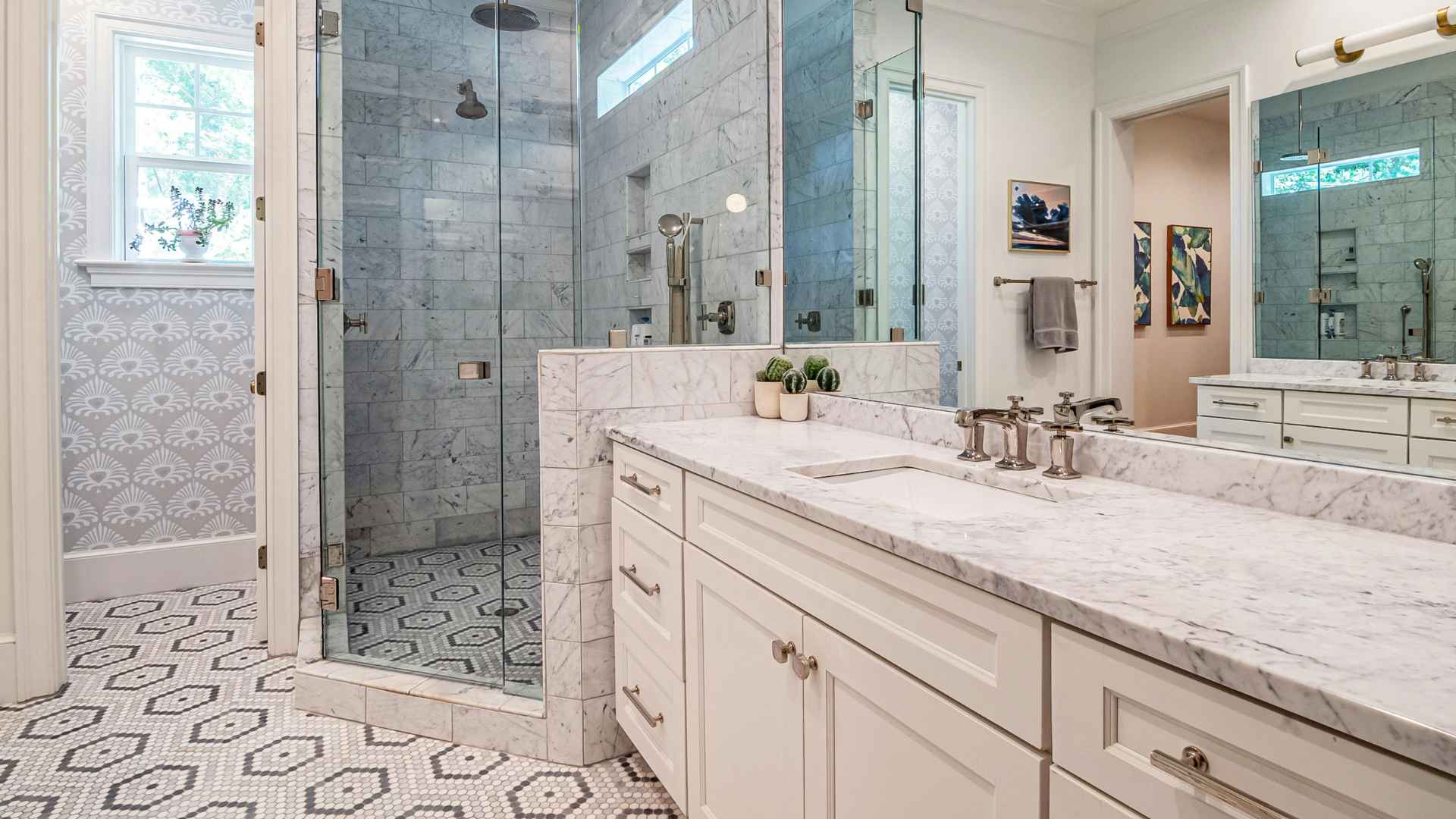
Pennsylvania bathrooms face moisture challenges year-round. Our region averages 60 to 70 percent humidity during summer months. Winter condensation from heating systems adds another moisture source. Your flooring needs to handle both direct water exposure and ambient humidity without warping or developing mold.
Porcelain tile absorbs less than 0.5 percent of its weight in water. This makes it nearly impervious to moisture damage. Ceramic tile is slightly more porous but still performs well in wet environments. The weak point isn’t the tile itself. Grout lines between tiles can absorb water if not properly sealed. We recommend sealing grout every 1 to 2 years to maintain water resistance.
Luxury vinyl plank has a 100 percent waterproof core. The top wear layer resists water but isn’t completely waterproof on its own. Quality matters here. Budget vinyl products sometimes allow water to seep between planks if installation isn’t perfect. This can lead to subfloor damage you won’t notice until it’s extensive.
Subfloor moisture is common in Pennsylvania first-floor bathrooms and basement bathrooms. Many homes in Glen Mills, Swarthmore, and Wallingford have crawl spaces or basements with seasonal moisture issues. Tile handles subfloor moisture better because it doesn’t expand or contract. Vinyl can buckle or separate at the seams when moisture comes from below.
Real-world scenario: A small leak under your toilet goes unnoticed for a few weeks. With tile, you’ll likely see water pooling before major damage occurs. The tile itself won’t be damaged. With luxury vinyl, water can travel between planks and stay trapped against the subfloor. By the time you notice, the subfloor may need replacement.
We recently completed a bathroom remodel in Media where we discovered subfloor moisture during demolition. The homeowner had originally wanted luxury vinyl for cost reasons. After seeing the moisture levels, they switched to porcelain tile. Two years later, they’re glad they made that choice. Their neighbors with vinyl flooring have dealt with edge buckling during humid summer months.
Durability and Temperature Performance in PA Homes
Pennsylvania experiences 80 to 100 freeze-thaw cycles each year in our region. While your bathroom stays heated, temperature fluctuations still occur. The difference between a hot shower and a cold winter morning creates expansion and contraction cycles in flooring materials.
Tile has a high thermal mass. It resists temperature-related damage because it doesn’t expand or contract significantly. Drop a hair dryer or cosmetic case on tile and you might chip it. But normal use won’t cause wear patterns. Quality porcelain tile looks nearly the same after 20 years as it did on installation day.
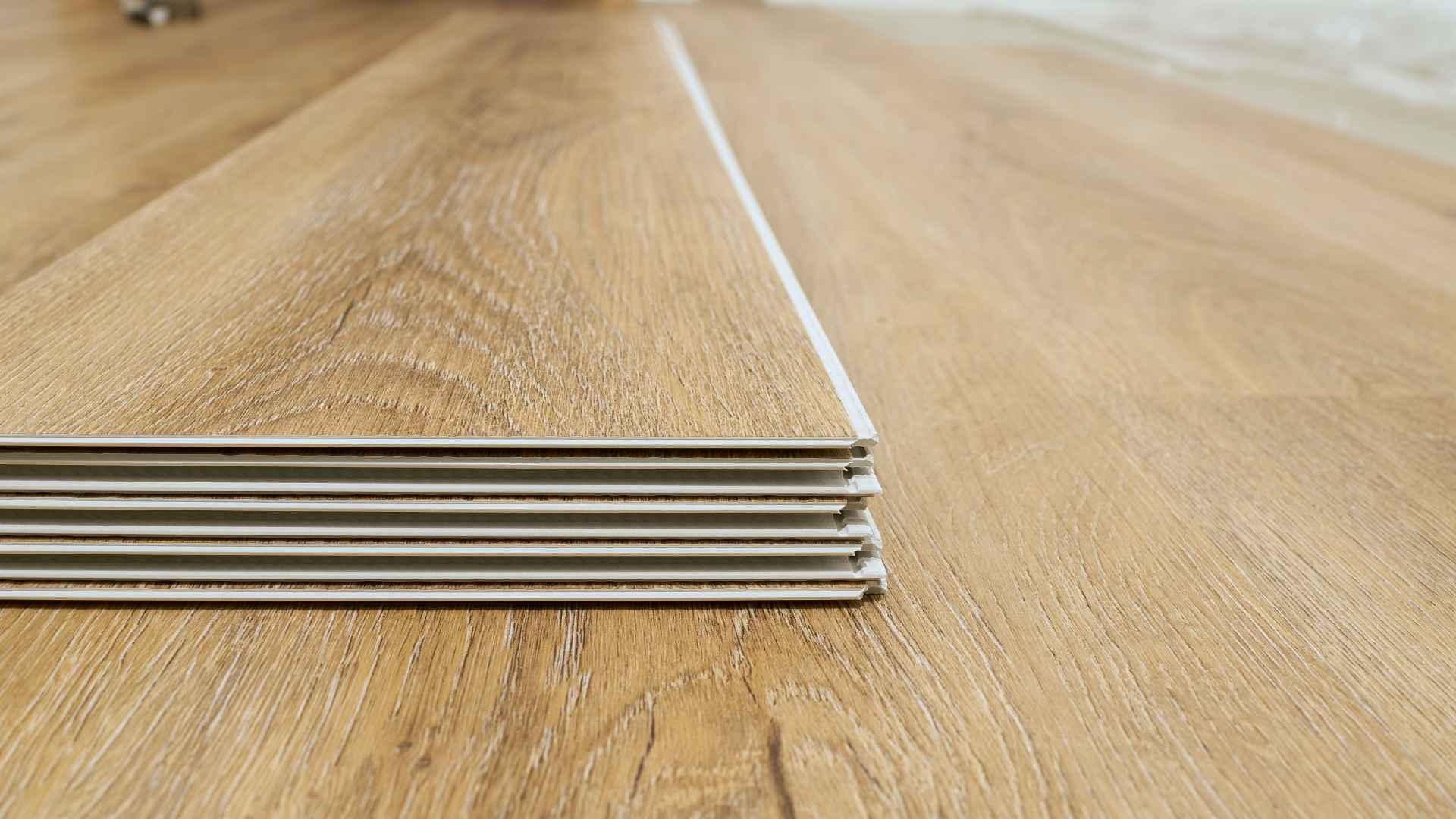
Luxury vinyl expands and contracts with temperature changes. This is why proper acclimation matters. The material needs to sit in your bathroom for 48 hours before installation. Even then, extreme temperature swings can cause seam separation or edge curling. The surface is softer than tile, which means better comfort but also more visible wear over time.
Scratch and dent resistance: Tile wins for hard impacts. Luxury vinyl resists everyday scuffs better but can be permanently dented by heavy drops. If you’re remodeling a bathroom used by teenagers or a busy family, tile handles the abuse better.
Radiant floor heating works beautifully with tile. The material conducts heat evenly and isn’t damaged by the temperature. Most luxury vinyl products aren’t compatible with radiant heating. The heat can cause the vinyl to off-gas chemicals or warp over time. If you want warm floors in your Newtown Square bathroom, tile with radiant heating delivers better results than vinyl alone.
Expected lifespan depends on traffic levels. Master bathrooms used by two adults see different wear than hall bathrooms used by kids. In high-traffic scenarios, tile lasts 25 to 30 years. Luxury vinyl shows wear patterns and surface damage after 10 to 12 years in the same environment.
Installation Speed and Bathroom Remodel Timeline
Your flooring choice affects how long your bathroom stays out of commission. This matters whether you’re updating your only bathroom or adding a luxury master suite.
Tile installation follows a multi-day process. Day one covers subfloor preparation and tile layout. Day two involves setting the tile in thin-set mortar. Days three and four handle grouting and sealing. You can’t use the bathroom until the grout fully cures, which takes 24 to 48 hours after the final step. Total timeline: 3 to 4 days minimum for a standard bathroom.
Luxury vinyl installation happens much faster. Subfloor prep and plank installation typically happen on the same day. Most bathroom floors take 4 to 6 hours from start to finish. You can walk on luxury vinyl immediately after installation. This means your bathroom is back in service the same day.
The speed difference matters more in a full bathroom remodel. When we renovate a bathroom in Swarthmore or Media, we coordinate multiple trades. Plumbing, electrical, drywall, painting, vanity installation, and flooring all need to happen in sequence. Faster flooring installation means the entire project wraps up sooner.
Subfloor preparation requirements are similar for both materials. We need a clean, level, structurally sound surface. If your subfloor has damage, repair time is the same whether you choose tile or vinyl. The difference is in the flooring installation itself.
Can you install luxury vinyl yourself? Technically yes, if you have experience. But in a full remodel, DIY flooring rarely makes sense. Professional installation ensures proper acclimation, correct expansion gaps, and a warranty on the work. We include flooring installation as part of our complete bathroom remodeling packages.
In our bathroom remodels, we schedule flooring installation after all wet work is complete but before final fixtures and trim. This protects the new floor from damage during other work. With tile, we need extra time built into the schedule. With luxury vinyl, we can often compress the timeline by a day or two.
Which Bathroom Flooring Should You Choose?
Your specific situation matters more than general advice. Here’s how to decide based on your bathroom type and priorities.
Choose tile if you’re renovating your master bathroom and plan to stay in your home for 10-plus years. Choose tile if you want radiant floor heating for comfort during Pennsylvania winters. Choose tile if you have a higher remodel budget and want maximum resale value. Choose tile if your bathroom has subfloor moisture issues or poor ventilation.
Choose luxury vinyl if you’re updating a powder room or guest bathroom with lower traffic. Choose luxury vinyl if you need to keep your bathroom remodel under budget. Choose luxury vinyl if installation speed matters because you only have one bathroom. Choose luxury vinyl if you prefer a warmer, softer surface underfoot.
Many Delaware County and Chester County homeowners use a hybrid approach. We install tile in master bathrooms where durability and home value matter most. We use luxury vinyl in secondary bathrooms where cost savings make sense. This gives you the benefits of both materials without overspending.
Your specific bathroom layout and subfloor condition change the equation. A Wallingford bathroom with concrete subfloor and excellent ventilation is different from a Glen Mills bathroom with wood subfloor and moisture concerns. We assess these factors before making a final recommendation.
Pennsylvania building codes require slip-resistant flooring in bathrooms. Both tile and luxury vinyl can meet this requirement, but you need to select appropriate products. Textured tile or matte-finish porcelain works well. For luxury vinyl, look for products with embossed surfaces rather than smooth finishes.
Next steps: Schedule a bathroom remodel consultation with our team. We’ll visit your home, assess your current bathroom condition, and show you samples of both materials. You’ll get accurate pricing based on your specific project. We’ll explain how each option works with your subfloor, plumbing layout, and overall remodel goals.
Ready to see both options in person and get accurate pricing for your bathroom? We serve Delaware County and Chester County with detailed flooring assessments included in every bathroom remodel consultation. Call us at the number on our profile or schedule your bathroom remodel consultation through our website.