
What’s the difference between a $15,000 bathroom remodel that adds value to your home and a $15,000 disaster that requires a second contractor to fix? The answer usually comes down to who you hire. Nearly 30% of homeowners report problems with home improvement contractors, from missed deadlines to poor workmanship. In Delaware County, where bathroom remodels average $12,000 to $25,000, choosing the wrong contractor can turn your dream renovation into a costly mistake.
This guide shows you exactly how to choose a bathroom remodeling contractor in Delaware County, with specific questions to ask, red flags to avoid, and local factors that matter in Media, Swarthmore, and surrounding communities. You’ll learn the non-negotiables like licensing, insurance, and references. You’ll get smart questions that separate pros from pretenders. You’ll understand how to evaluate quotes without getting taken advantage of. By the end, you’ll have a clear checklist to find a contractor you can trust.
Table of Contents
What Should I Look for When Choosing a Bathroom Remodeling Contractor?
When choosing a bathroom remodeling contractor, verify these five things first. Check for an active Pennsylvania Home Improvement Contractor license, general liability insurance and workers’ compensation coverage, local references from the past 12 months, detailed written estimates, and a clear payment schedule tied to milestones. In Delaware County, confirm the contractor pulls permits through your township and follows local plumbing codes.
Ask about their timeline and how they handle change orders. Find out who supervises the job site daily. Red flags include requests for large upfront deposits over 20%, no physical business address, and pressure to sign immediately. A qualified contractor will answer these questions clearly and provide documentation without hesitation.
Ready to work with a licensed, insured contractor? View our bathroom remodeling services in Delaware County to see how we handle every project with transparency and professionalism.
Start With the Legal Basics: Licensing and Insurance Requirements
Pennsylvania requires all home improvement contractors to register with the Attorney General’s office and carry a Home Improvement Contractor license. You can verify any contractor’s HIC registration online through the Pennsylvania Attorney General database. This takes two minutes and protects you from unlicensed operators who have no accountability if something goes wrong.
General liability insurance should be at least $300,000. This protects your home if the contractor damages your property during the remodel. Workers’ compensation coverage protects you from liability if someone gets injured on your property. Ask to see current certificates for both policies. A legitimate contractor will provide these without hesitation.
Delaware County townships require permits for bathroom work that involves plumbing or electrical changes. Your contractor should handle all permit applications and inspections. If a contractor suggests skipping permits or asks you to pull them yourself, that’s a major warning sign. Permits protect you by ensuring work meets local building codes and gets proper inspections.
What happens if you hire an unlicensed contractor? You have no legal recourse if they abandon the job or do poor work. Your homeowner’s insurance may not cover damage caused by unlicensed workers. You could be liable if an uninsured worker gets injured. The small amount you might save upfront isn’t worth these risks.
Before you meet with any contractor, verify these credentials:
- Active Pennsylvania HIC license number
- General liability insurance certificate (current)
- Workers’ compensation insurance certificate (current)
- Local business address and phone number
- References from Delaware County projects
Check Their Track Record: References, Reviews, and Portfolio

A contractor’s past work tells you what to expect from your project. Request three to five references from projects completed in the past 12 to 18 months. Recent references matter more than older ones because they reflect current quality and processes.
When you call references, ask specific questions. Did the contractor finish on time or close to the original timeline? Did the final cost match the estimate, or were there surprise charges? How did they communicate during the project? How did they handle unexpected issues that came up during demolition? Did they clean up daily or leave your home messy? Would you hire them again for another project?
Online reviews on Google and the Better Business Bureau show patterns. One or two negative reviews among dozens of positive ones is normal. Look for how the contractor responds to complaints. Do they take responsibility and offer solutions, or do they get defensive? Watch for repeated complaints about the same issues like poor communication, missed deadlines, or billing disputes.
A contractor’s portfolio should include projects similar to yours in scope and style. Look at the finish quality in the photos. Are tile lines straight? Do grout lines look clean and consistent? Are fixtures installed level and properly sealed? Before and after photos should show real projects, not stock images from manufacturers.
Warning signs include contractors who can’t provide recent local references, only show stock photos instead of actual completed work, or have reviews that sound scripted or fake. If a contractor has been in business for years but has no verifiable Delaware County projects, ask why.
Understanding Bathroom Remodeling Costs in Delaware County
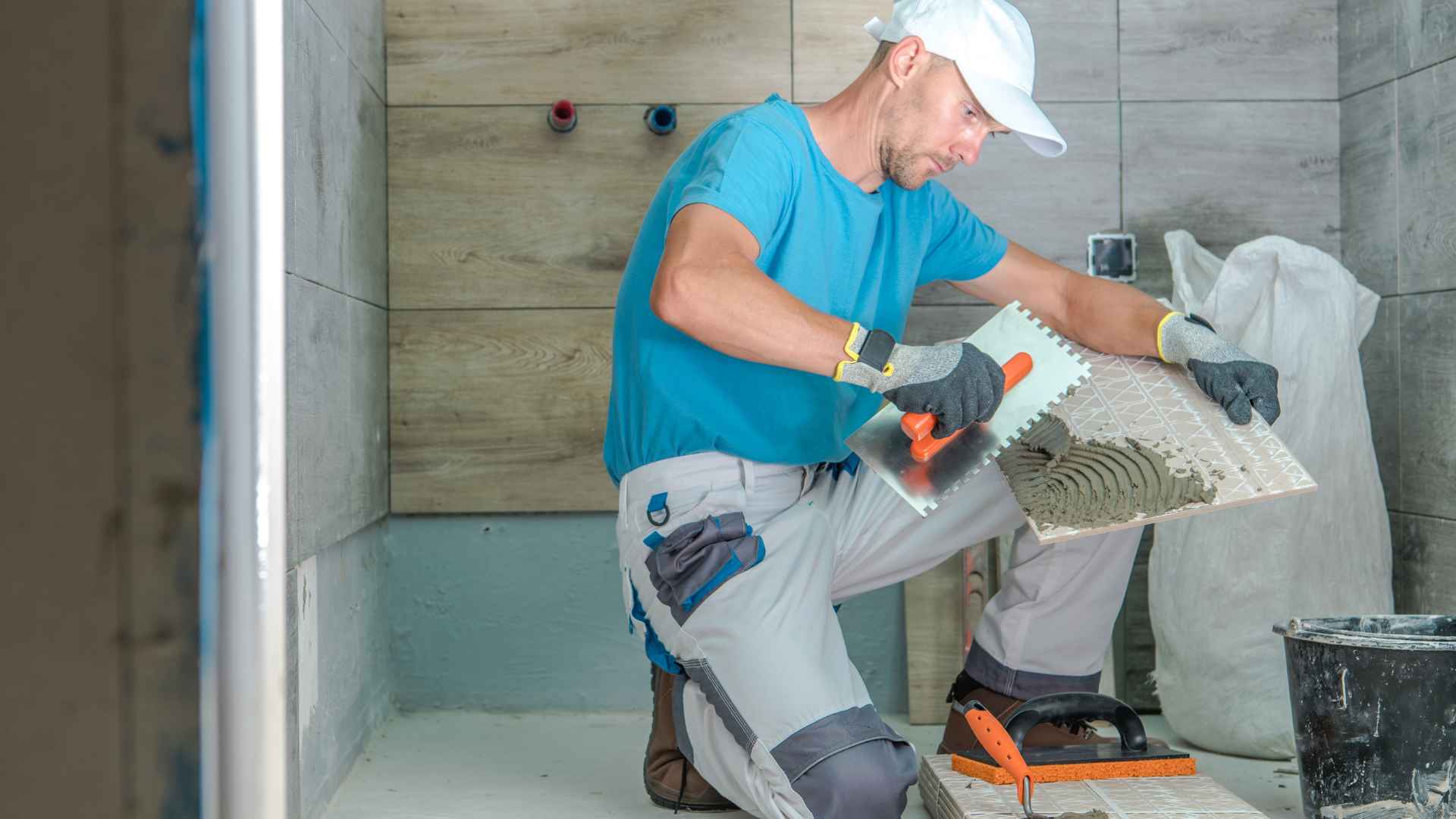
A realistic bathroom remodel budget in Delaware County ranges from $12,000 to $25,000 for most mid-range projects. Basic updates like replacing fixtures and refreshing surfaces start around $3,000 to $10,000. Full renovations with layout changes, custom tile work, and high-end finishes can exceed $25,000 to $50,000 or more.
Cost per square foot typically ranges from $70 to $250 depending on your material choices and how much structural work is needed. A small 5×8 bathroom with basic updates might cost $10,000 to $15,000. A primary bathroom suite with luxury finishes could run $22,000 to $40,000.
The most expensive parts of any bathroom remodel are plumbing and layout changes. Moving a toilet, sink, or shower requires rerouting pipes, which involves labor, permits, and code compliance. Skilled labor from plumbers, electricians, and tile installers makes up a huge portion of your budget. Custom features like frameless glass showers, natural stone tile, and solid wood vanities add up quickly. The wet area including your shower or tub with proper waterproofing is often the biggest cost driver.
Quotes vary between contractors for several reasons. Labor rates differ based on experience and crew size. Some contractors mark up materials more than others. Overhead costs like insurance, licensing, and business operations affect pricing. Warranty coverage and the level of project management included also impact the total cost.
Consumer Reports recommends spending 5% to 10% of your home’s value on a bathroom remodel. This helps ensure you don’t overcapitalize and can recoup your investment when you sell.
Red flags in quotes include prices significantly below the local market average, which usually means corners will be cut somewhere. Vague line items like “labor” or “materials” without specifics make it impossible to know what you’re paying for. If a quote seems too good to be true, it probably is.
The Questions You Must Ask Every Bathroom Contractor

The right questions reveal a contractor’s competence, process, and reliability before you sign anything. Write these down and ask them to every contractor you interview.
Start with credentials. Ask them to show you their HIC license number and current insurance certificates for both general liability and workers’ compensation. Don’t just take their word for it. Verify the license online yourself.
Ask about their experience with projects like yours. How many bathrooms similar to yours have they completed in the past year? Can they show you photos of those specific projects? What challenges came up and how did they handle them?
Understand who will actually do the work. Who will be on-site daily supervising the project? Will they use their own crew or subcontractors? If they use subs, are those workers also insured? How do they ensure quality control?
Get clear on timeline expectations. What’s a realistic timeline for your project from start to finish? What factors typically cause delays in bathroom remodels? How do they communicate if the schedule changes? At Canopy Building Services, we keep you informed through text and email updates throughout your project so you always know what’s happening.
Discuss the payment structure. What’s their payment schedule and what does each payment milestone cover? Never pay more than 20% to 30% upfront. Payment should be tied to completed work stages like demolition complete, rough-in inspection passed, tile complete, and final walkthrough approved.
Ask about their warranty. What warranty do they provide on their labor? How long does it cover? What about manufacturer warranties on materials and fixtures? Get these terms in writing.
Find out how they protect your home during construction. How do they handle daily cleanup? Do they seal off the work area to control dust? Where do workers park? How do they dispose of demolition debris?
The Questions You Must Ask Every Bathroom Contractor (numbered for your use):
- Show me your Pennsylvania HIC license and current insurance certificates.
- How many bathrooms like mine have you completed in the past 12 months?
- Who will be on-site daily and who supervises the work?
- What’s a realistic timeline and what typically causes delays?
- What’s your payment schedule and what does each milestone cover?
- What warranty do you provide on labor and materials?
- How do you handle daily cleanup and protect the rest of my home?
- How do you process change orders if I want to modify something mid-project?
A professional contractor will answer all of these clearly and provide everything in writing. Hesitation or vague answers are warning signs.
Red Flags That Should Make You Walk Away
Some warning signs should immediately disqualify a contractor from consideration. These red flags protect you from scams, poor workmanship, and legal liability.
Run if a contractor demands a large upfront payment. Asking for more than 20% to 30% down is a major warning sign. Contractors who need huge deposits often have cash flow problems or plan to take your money and disappear. Legitimate contractors have established credit with suppliers and don’t need your money to buy materials.
No physical business address or only a cell phone number is a red flag. You need to know where to find the contractor if problems arise. A P.O. box isn’t enough. A legitimate local business should have a verifiable office or shop location.
Pressure to sign immediately or “today only” pricing is a classic high-pressure sales tactic. A professional contractor gives you time to think, review the proposal, get other quotes, and make an informed decision. They don’t manufacture urgency or offer special pricing that expires in hours.
Never hire an unlicensed or uninsured contractor. If they refuse to provide proof of their HIC license and insurance certificates, walk away. The risk isn’t worth any amount of savings. When something goes wrong and they have no insurance or legal standing, you’re stuck with the bill and the mess.
Vague contract terms or verbal-only agreements will cause problems. Everything must be in writing with specific details. “We’ll work it out” and “Don’t worry about it” are not acceptable answers. If a contractor won’t put promises in writing, they won’t honor them later.
No local references or checkable past projects means you can’t verify their work quality. Contractors should proudly share recent Delaware County projects. If they can’t or won’t provide references you can contact, that’s a red flag.
Never let a contractor ask you to pull permits yourself. The licensed contractor is responsible for obtaining all required permits and scheduling inspections. If they suggest skipping permits or having you get them, they’re either not licensed or trying to avoid proper inspections. Either way, walk away.
Trust your instincts. If something feels off about a contractor’s answers, their paperwork, or how they conduct business, listen to that feeling. A bathroom remodel is a major investment. You should feel completely comfortable and confident with whoever you hire.
You now have a clear process for choosing a bathroom remodeling contractor in Delaware County. Start with the legal requirements like licensing and insurance. Check references and past work. Understand local market pricing. Ask the right questions and get everything in writing. Watch for red flags and trust your judgment.
The right contractor makes the difference between a smooth renovation and a nightmare. Take your time with this decision. Verify credentials. Compare detailed proposals. Choose someone who communicates clearly, prices fairly, and stands behind their work.
We’ve helped homeowners throughout Delaware County with bathroom remodels that combine quality craftsmanship with honest pricing. See our Delaware County reviews and location to learn why local homeowners trust Canopy Building Services with their renovation projects.