What Is Waterproofing, And Why Is It So Important In Bathroom Renovations?
Renovating a bathroom can make your home feel brand new, but behind all those shiny new tiles and fixtures, there’s something essential that protects your investment: waterproofing. It’s not the most glamorous part of a renovation, but without it, you risk leaks, mold, and even structural damage. In this post, we’ll explain waterproofing, why it’s necessary for any bathroom makeover, and how it keeps your home safe from moisture.
What Exactly Is Waterproofing?
Waterproofing is all about keeping water where it belongs—inside the shower, sink, and bathtub—and preventing it from sneaking into your home’s walls, floors, and foundation. Bathrooms are naturally wet spaces, so protecting them with water-resistant materials like membranes, sealants, and coatings is key to keeping moisture out of places that can cause serious problems.
Why Is Waterproofing So Essential In Bathroom Renovations?
Bathrooms are constantly exposed to water, whether from a steamy shower, a sink splashing, or a toilet overflowing. If water gets past the visible surfaces, it can create many issues. Here’s why waterproofing should be a top priority:
- Stops Leaks: Waterproofing seals cracks and gaps, keeping water from sneaking into walls and floors.
- Keeps Mold and Mildew at Bay: Mold thrives in damp areas, and once it starts growing, it can affect your health and your home’s air quality. Proper waterproofing helps prevent mold growth.
- Protects Your Home’s Structure: Over time, moisture can weaken your home’s structure. Waterproofing ensures that your walls and floors stay solid.
- Makes Renovations Last Longer: A waterproof bathroom stands the test of time, protecting your hard-earned money from future water damage.
- Saves You Money: Fixing water damage is expensive. Waterproofing upfront can save you from shelling out for repairs down the road.
The Key Steps In Bathroom Waterproofing
How does waterproofing actually work? It’s more than just slapping on some sealant. Here’s a quick overview of the steps involved:
- Preparing the Surface: Before applying waterproofing materials, the area must be cleaned, dried, and free of cracks or gaps.
- Applying Waterproofing Membranes: These are placed on walls and floors to prevent water from escaping. Depending on your bathroom’s needs, they come in different forms, like liquid or sheets.
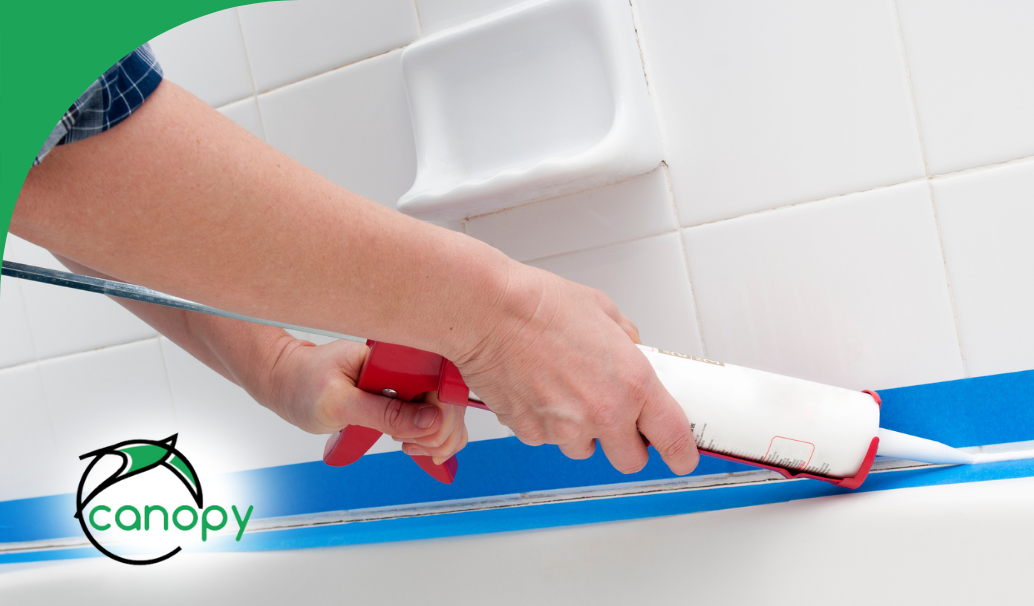
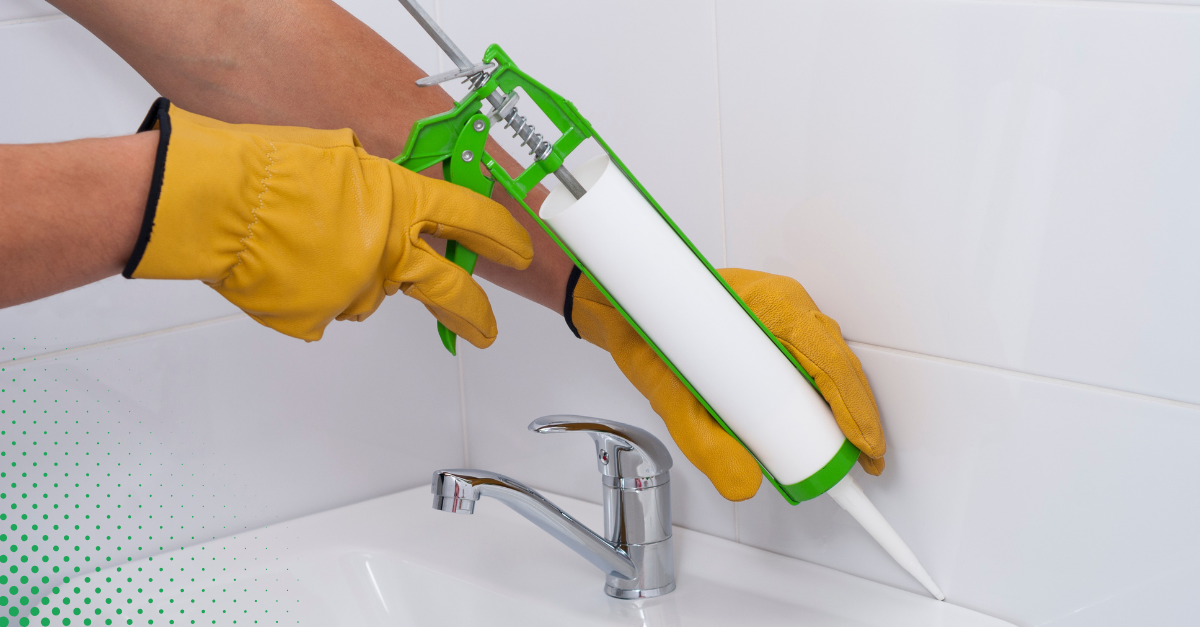
- Sealing Joints and Fixtures: Special waterproof sealants are applied around pipes, joints, and fixtures to keep water from leaking through.
- Testing for Leaks: After everything’s applied, waterproofing is tested to ensure it works properly before the rest of the renovation continues.
- Final Finish: After waterproofing, tiles or other materials are added, providing function and style.
Types Of Waterproofing Materials
There’s more than one way to waterproof a bathroom, and the materials you choose can make a difference in performance and durability. Here’s a rundown of the most common options:
- Liquid Membrane: This option is easy to apply and creates a seamless barrier. It’s commonly used on shower floors and walls.
- Sheet Membrane: Made of materials like rubber or plastic, these are strong and perfect for large surfaces like bathroom floors.
- Cementitious Waterproofing: Involves applying a cement-based coating, which is great for surfaces prone to cracking and leaking.
- Bituminous Coating: Known for being flexible yet strong, this coating protects bathrooms from severe water damage.
FAQs About Bathroom Waterproofing
1. Do all bathrooms need waterproofing?
Yes! Bathrooms are high-moisture areas, especially around the shower and sink, so waterproofing is essential to prevent leaks and damage.
2. How long does waterproofing last?
When done right, waterproofing can last for decades, though it’s a good idea to inspect it regularly to ensure everything’s holding up.
3. Can I waterproof my bathroom myself?
While DIY waterproofing kits are available, hiring a professional is recommended. A pro will ensure that every part of your bathroom is appropriately sealed and protected.
4. How much does waterproofing cost?
The cost varies based on the size of your bathroom and the materials used. Still, it’s usually a tiny part of the total renovation cost, especially compared to fixing water damage.
How To Tell If Your Bathroom Needs Waterproofing
Has your bathroom been waterproofed properly? Here are some telltale signs that moisture is getting through:
- Mold or Mildew: If you’re noticing mold, it’s a clear sign that moisture is getting into places it shouldn’t.
- Musty Smells: A damp, musty odor often means water is trapped somewhere, which could be due to poor waterproofing.
- Peeling Paint or Tiles: Water seeping behind paint or tiles can cause them to peel or come loose, indicating a problem.
- Water Stains on Walls or Ceilings: Discolored patches often mean water has leaked from the bathroom to other areas of your home.
Protect Your Investment With Waterproofing
Waterproofing isn’t just another step in the renovation process—it’s essential to the long-term success of your bathroom makeover. Proper waterproofing prevents costly water damage, keeps your bathroom looking great, and protects the value of your home. Skipping this step can lead to ongoing problems like mold, leaks, and structural issues. So, if you want a beautiful bathroom that lasts, ensure waterproofing is part of your renovation plan.
Ready To Get Started?
If you’re planning a bathroom renovation, waterproofing should be at the top. Contact our team today for a consultation at 610-244-1744 or click to Request A Quote Today, and let’s make sure your bathroom renovation is both beautiful and built to last!