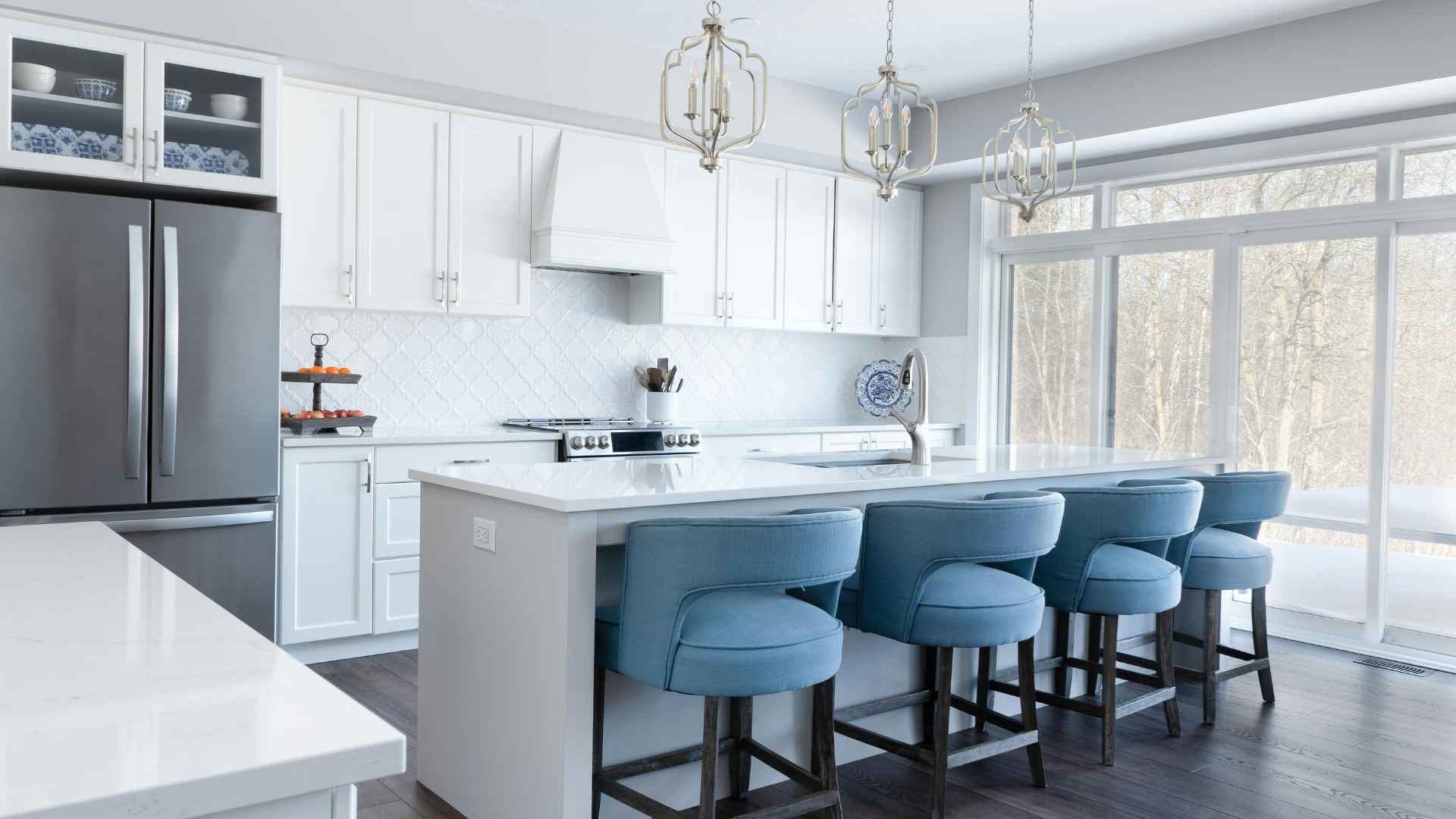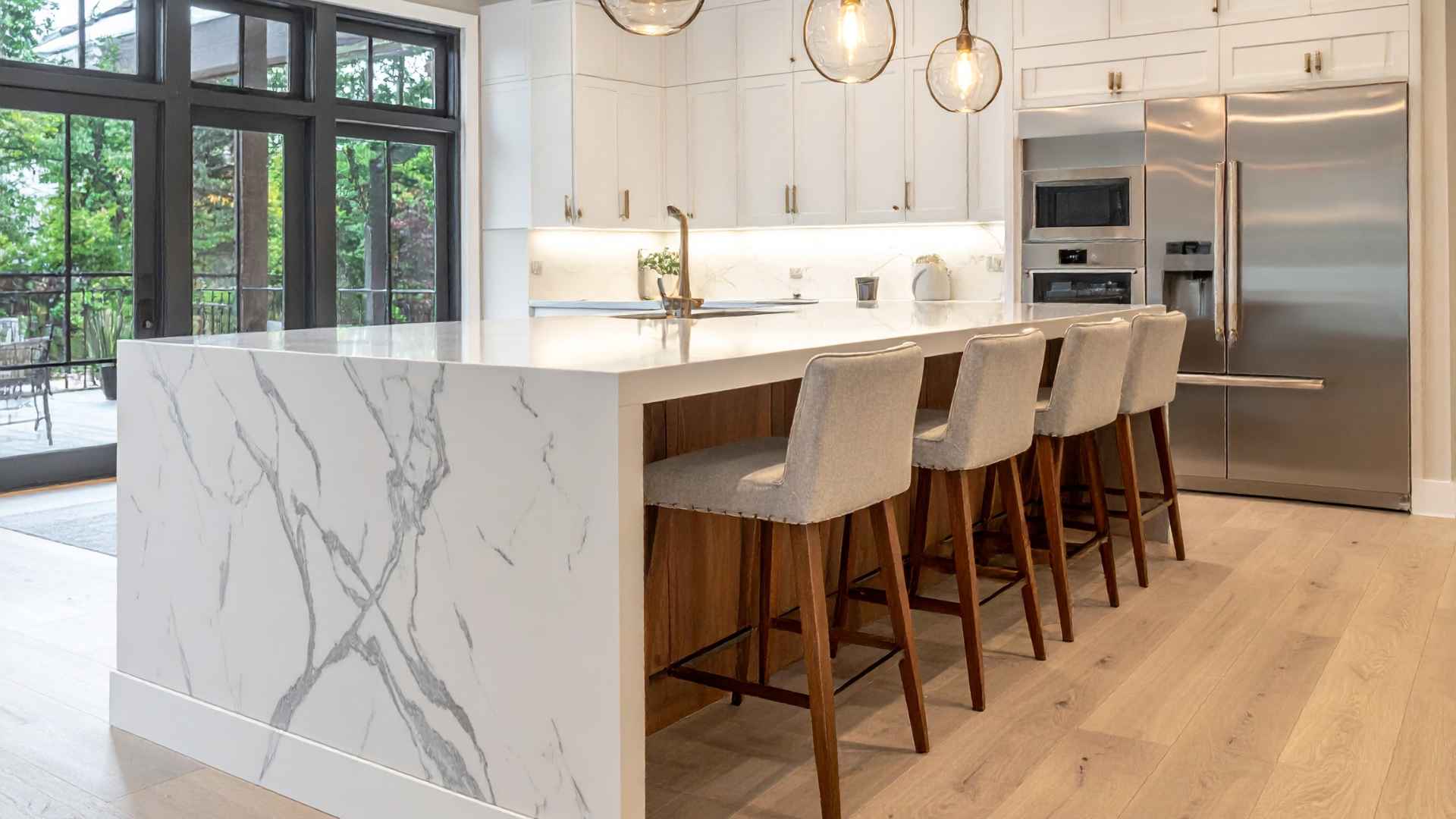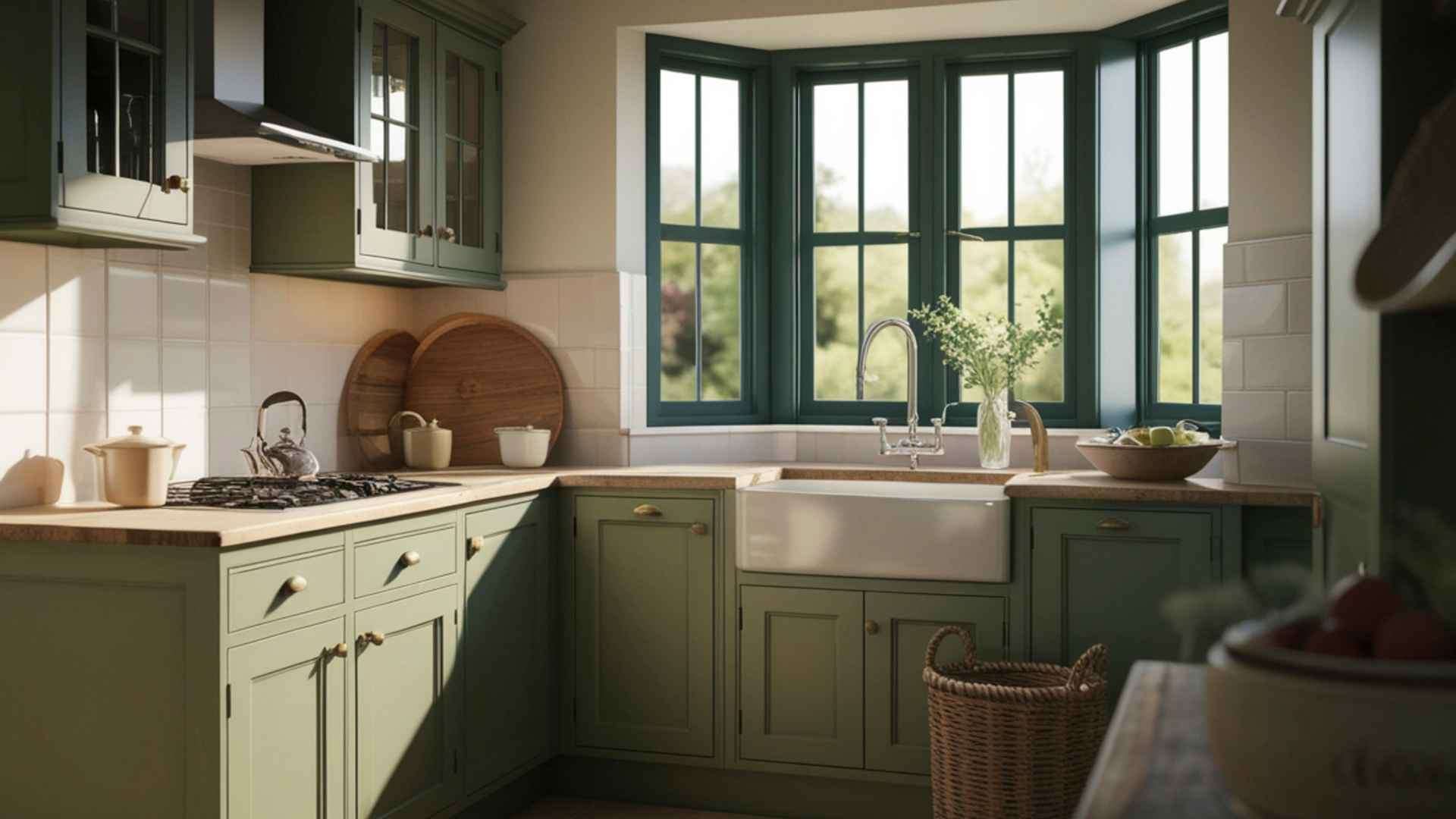
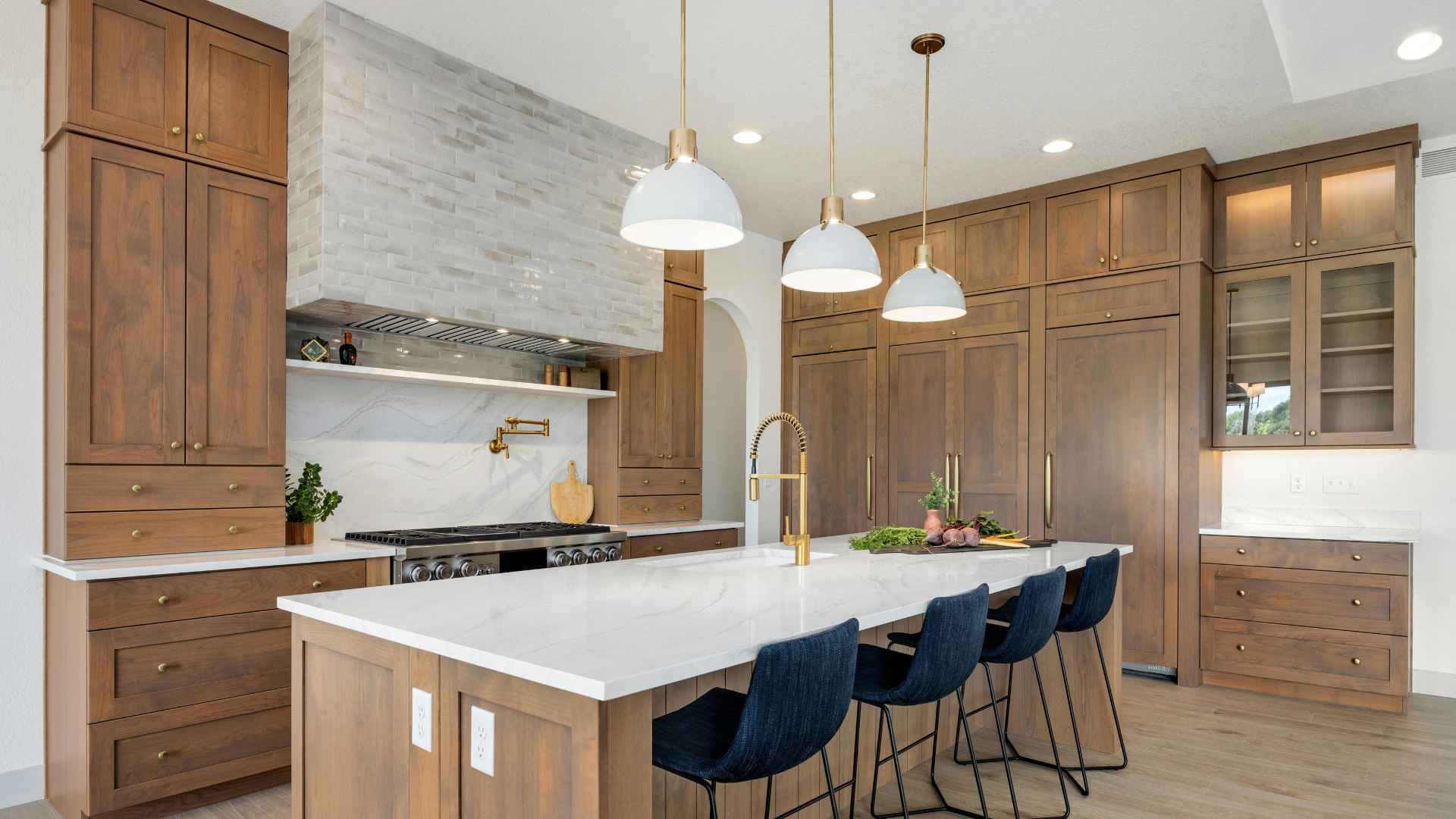
If you’re gearing up for a kitchen renovation in Media, PA, or the surrounding Delaware County neighborhoods, one of the first decisions you’ll encounter is whether to select stock cabinets or go the custom route. It may sound straightforward, but the optimal decision hinges on your floor plan, budget, and how long you intend to remain in the house. Below, we break down each cabinet category in plain language so you can choose confidently before any money changes hands.
Table of Contents
Understanding Stock, Semi‑Custom, and Custom Cabinets
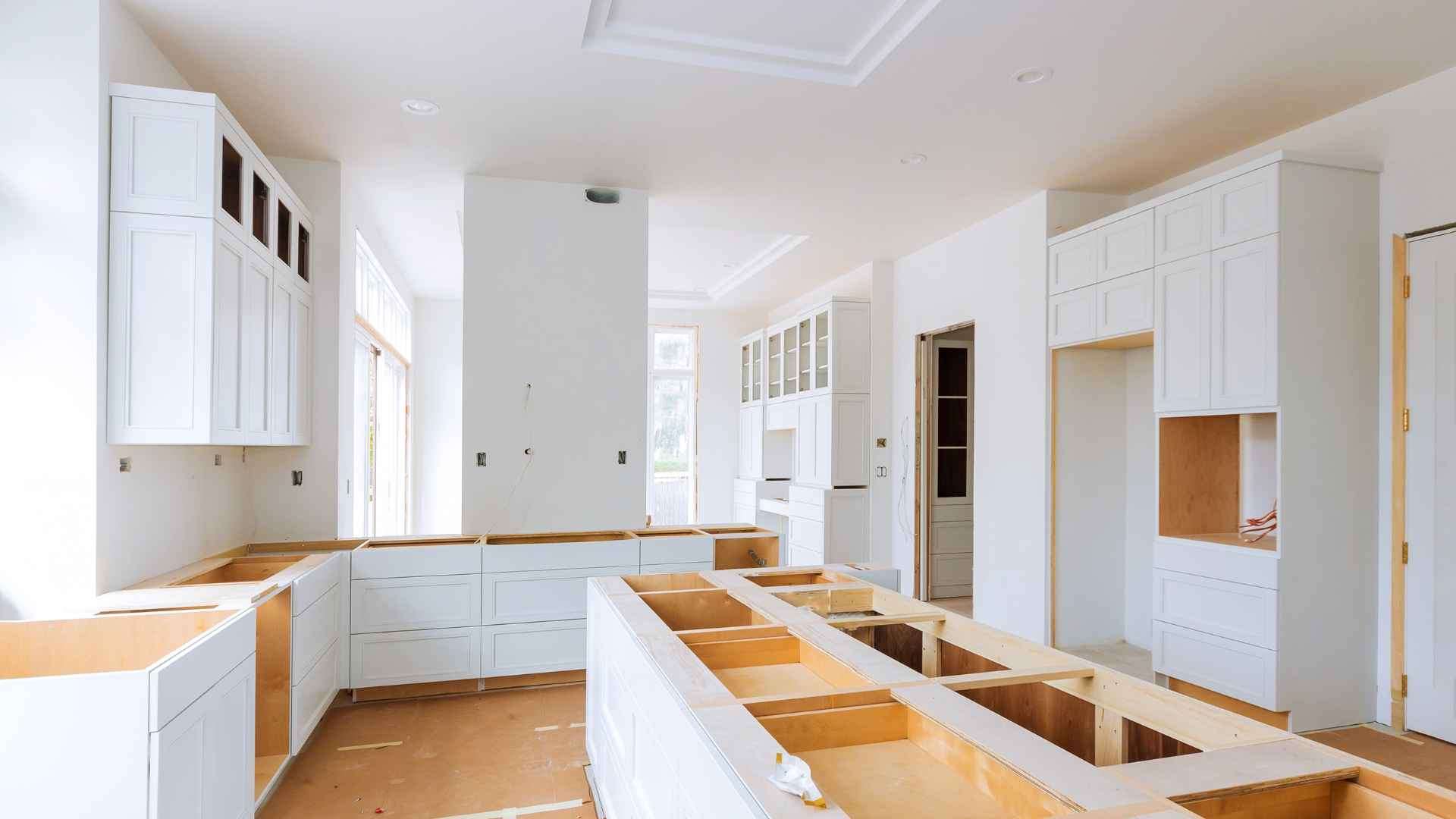
Cabinets aren’t all created equal, and the distinctions go well beyond price tags. Knowing what each classification entails will keep you from purchasing a product that doesn’t suit your kitchen.
Stock cabinets are pre‑manufactured in standard dimensions and stored in warehouses ready for shipment. You choose from a limited palette of sizes, finishes, and door styles. Delivery can be almost immediate, and they are the most affordable option. The downside? You must adapt your design to fit their fixed measurements.
Semi‑custom cabinets offer a middle ground. Height, depth, and width can be tweaked within predefined limits, and a broader array of finishes is available. Quality generally exceeds that of stock units. Lead times are a few weeks longer, and prices sit in the mid‑range.
Custom cabinets are crafted to match your exact specifications—any size, any finish, any configuration. They require the longest production period and carry the highest price, but they’re often the only viable solution for kitchens with unusual layouts, odd angles, or highly specific storage demands.
Chris Earley, founder of Canopy Building Services and former home inspector since 2007, has inspected hundreds of Delaware County kitchens. He consistently observed that particle‑board boxes with inexpensive hardware suffered water damage, sagging shelves, and misaligned doors, especially in older homes. In contrast, solid‑box constructions equipped with quality hinges performed well, whether they were stock or custom.
Quick Verdict: Stock or Custom Cabinets?
In short, stock cabinets are ideal for conventional‑sized kitchens when the budget is tight and the timeline is short. Custom cabinets shine in irregular layouts, for long‑term owners, and when durability and precise fit are paramount. Semi‑custom serves as a viable compromise that many homeowners overlook.
Your final choice boils down to three variables: layout, budget, and schedule. This guide examines each factor so you can determine which option aligns with your circumstances. Keep in mind that many homes in Media, PA, and the broader Delaware County area were built decades ago, often featuring non‑standard footprints that can shift the calculation.
Pricing: Stock vs. Custom Cabinets
Cabinet costs fluctuate based on type, brand, and source. Below are realistic price bands to help you budget.
Stock cabinets typically range from $60 to $200 per linear foot for the bare boxes, not counting installation, hardware, or layout tweaks. A modest kitchen with roughly 20 linear feet of cabinetry would cost $1,200 – $4,000 for the cabinets alone.
Semi‑custom cabinets fall between $100 and $650 per linear foot, reflecting material choices and customization levels. A mid‑grade semi‑custom project can run $4,000 – $15,000 before installation.
Custom cabinets command $500 to $1,500+ per linear foot, depending on wood species, design complexity, and the cabinetmaker’s reputation. A fully custom kitchen for a medium‑sized home can easily reach $25,000 – $50,000 prior to labor costs.
According to the National Kitchen & Bath Association, cabinets usually account for 30–40 % of a total kitchen remodel budget; the remainder goes to countertops, appliances, flooring, lighting, and labor.
A frequent surprise for Delaware County owners is the expense tied to layout changes. Many residences in Media, Swarthmore, and Wallingford were constructed between the 1940s and 1970s, featuring kitchen plans that catered to older lifestyles and smaller appliances. Moving a wall or reconfiguring the space is sometimes possible, but it can quickly inflate costs. Chris emphasizes this early in the design‑build phase at Canopy, ensuring clients address layout before selecting cabinet style.
Is Custom Worth the Investment?
Custom cabinets are a smart spend only in certain scenarios; a higher price tag doesn’t automatically equate to greater value.
Custom makes sense when:
- The kitchen has irregular angles, unusual ceiling heights, or a non‑standard footprint.
- You plan to remain in the home for a decade or longer.
- You demand the utmost durability and premium materials.
- You need specialized storage solutions that stock dimensions can’t accommodate.
Custom is less advisable when:
- The layout is a simple rectangle with standard ceiling height.
- Your cabinet budget is under $15,000.
- You intend to sell the house within a few years.
- A clean, functional kitchen meets your goals without a fully bespoke design.
For many homeowners, stock or semi‑custom cabinets deliver roughly 80 % of the aesthetic and functional impact at a fraction of the custom price; a trade‑off that often makes sense.
Regarding resale value, custom cabinets can enhance appeal but rarely recoup their full cost at closing. The return depends heavily on the local market ceiling. In high‑value neighborhoods where homes sell for $600k+, a high‑end custom kitchen can support a stronger asking price. In areas with lower price caps, the extra spend may not be reflected in the appraisal.
At Canopy, we frequently encounter clients who say, “I want a new kitchen,” only to discover they need a better layout with semi‑custom boxes rather than a full custom build. Older Media Borough and Swarthmore homes, with their mid‑century footprints, often steer owners toward custom solutions, but that conversation must happen before any commitments are made.
Why Installation Is Just as Critical as the Cabinets
Even the finest cabinets can underperform if they’re not installed correctly. Installation isn’t a secondary task, it’s equally vital.
Proper installation demands level floors, plumb walls, and precise shimming throughout the run. Ignoring these fundamentals leads to misaligned doors, sticky drawers, and gaps that worsen over time.
Older Delaware County homes present unique hurdles: uneven floors, plaster walls that react differently to fasteners than drywall, and varying ceiling heights within a single room. An installer who isn’t versed in handling these quirks can create problems even with premium cabinets.
Chris’s background as a home inspector gives him insight most contractors lack. He’s seen the aftermath of botched installs: doors hanging at odd angles, cabinets pulling away from walls, hidden water damage behind poorly fitted bases. This knowledge enables him to anticipate failure points before work begins, especially in 1960s split‑levels in Wallingford or 1940s colonials in Media Borough.
FAQs
How do stock cabinets differ from semi‑custom ones?
Stock cabinets are produced in fixed sizes with a limited range of finishes and door styles. Semi‑custom cabinets allow dimension adjustments within set parameters and offer a broader selection of finishes and configurations. Semi‑custom units cost more than stock but less than fully custom, providing flexibility without the full price tag.
What’s the typical timeline for custom cabinets in Media, PA?
Custom cabinets usually require 6 – 12 weeks for fabrication before they arrive on site. Stock cabinets can be delivered within days. Installation adds another 1 – 2 weeks regardless of the cabinet type, so coordinate with countertop and appliance schedules accordingly.
Can I combine stock and custom cabinets in one kitchen?
Absolutely. Many homeowners blend stock units for straight runs with custom pieces for islands, awkward corners, or built‑in pantries. A competent contractor can integrate the two so the final look feels cohesive.
Do custom cabinets boost resale value more than stock cabinets?
Custom cabinets enhance visual appeal and perceived quality, but they rarely recoup their full cost at resale. The impact depends on the neighborhood’s price ceiling, overall kitchen quality, and buyer expectations. In high‑value Delaware County markets, a custom kitchen can support a stronger asking price; in lower‑priced areas, the premium may not translate directly into appraisal value.
Which cabinet material holds up best in a busy family kitchen?
Solid‑wood doors paired with plywood box construction outperform particleboard in high‑traffic environments. Plywood resists moisture, won’t swell or crack like particleboard, and combined with soft‑close hardware and dovetail drawer construction, yields cabinets that last regardless of whether they’re stock or custom.
How can I locate a trustworthy cabinet installer near Media, PA?
Look for an installer with verifiable local remodeling experience, genuine homeowner reviews, and a transparent process they can explain before any contract is signed. Avoid choosing solely on price; a low bid often signals shortcuts in shimming, leveling, or wall preparation that can cause problems within the first year.