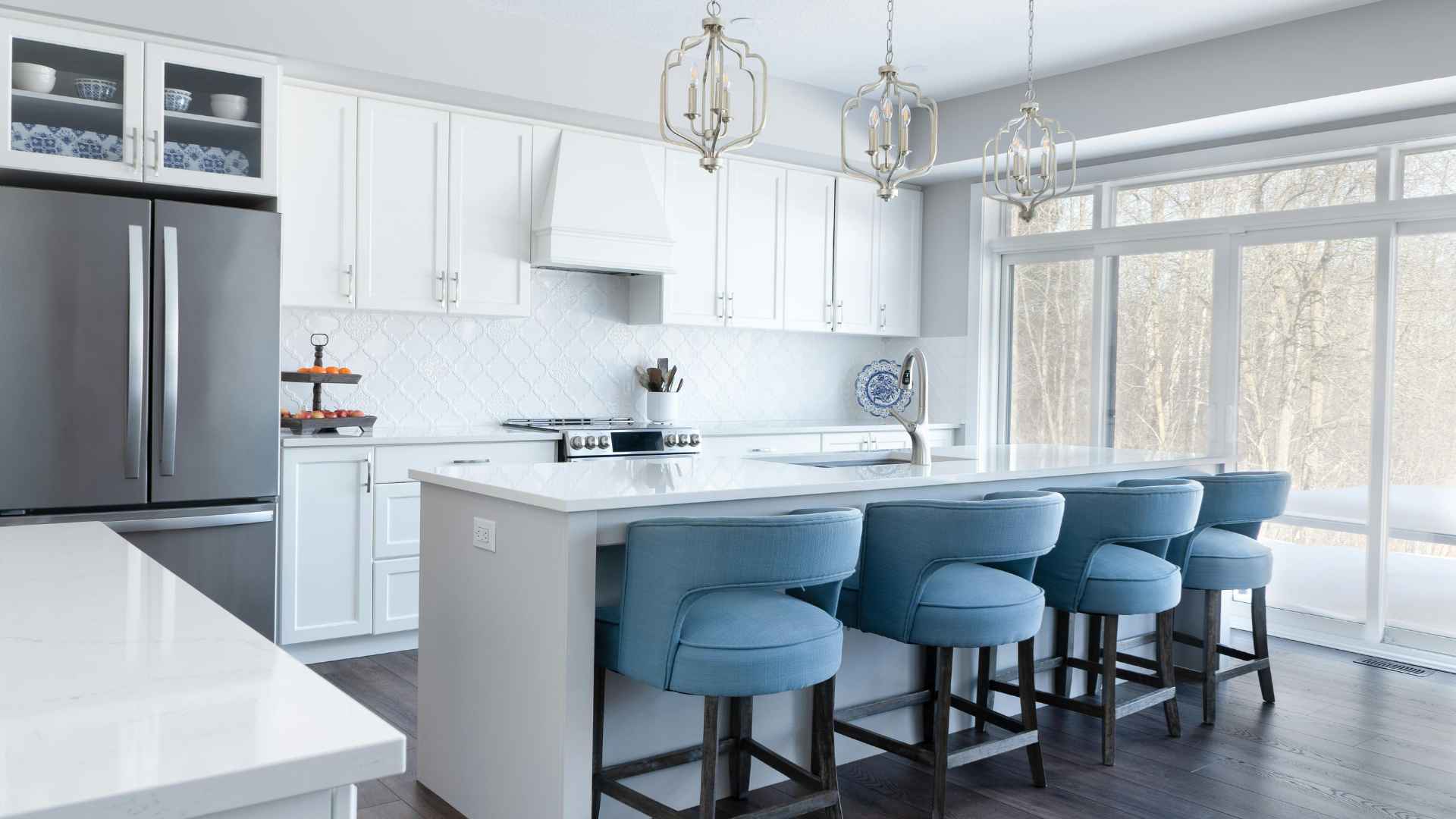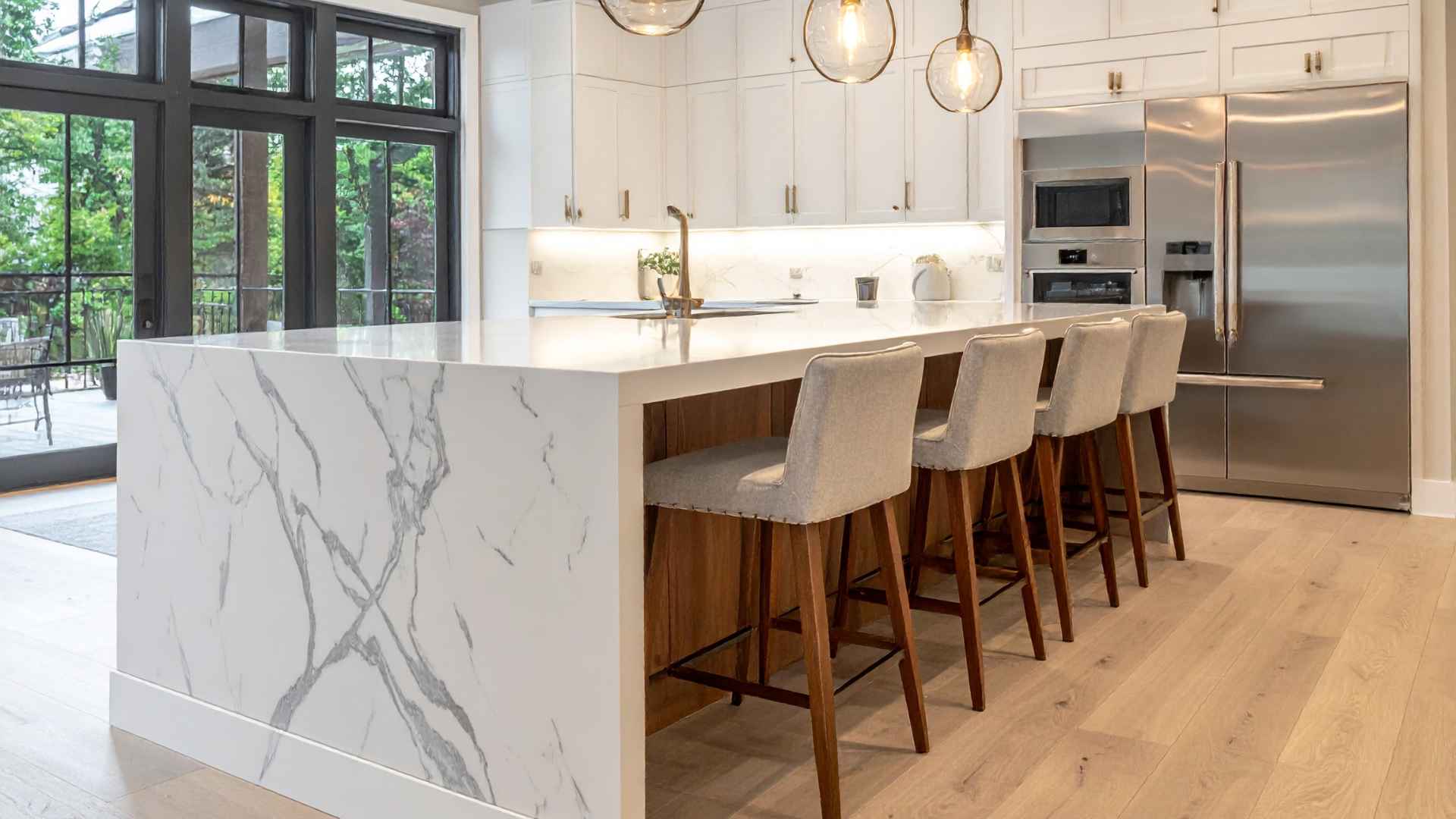
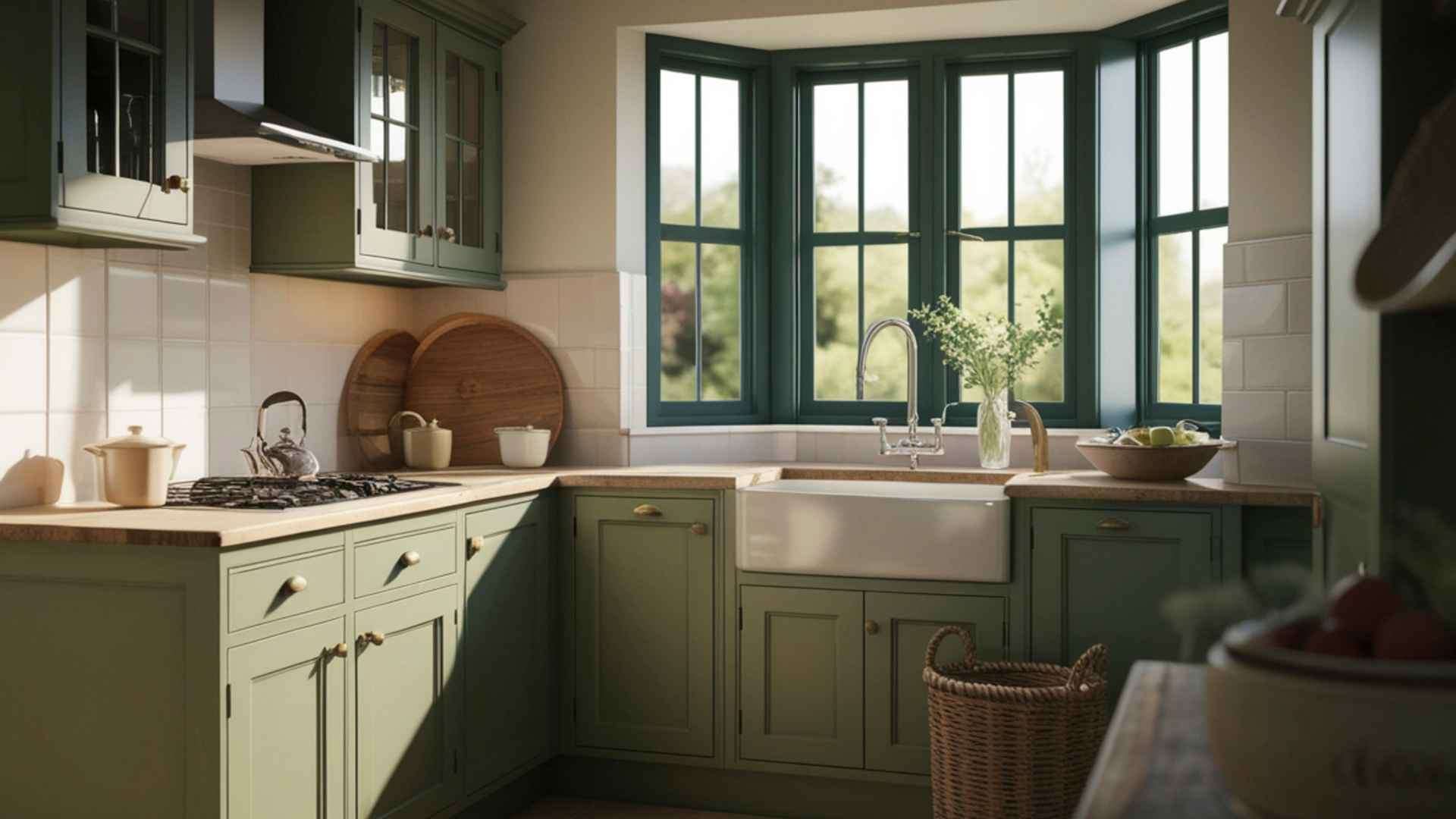
Proper preparation can reduce cabinet installation time by 15-25%, saving Delaware County homeowners between $300 and $800 in labor costs. You’ve invested thousands in beautiful new cabinets for your Media home. The last thing you want is installation delays because your kitchen wasn’t ready when installers arrived.
This guide walks you through complete kitchen cabinet installation preparation so your project starts on time and stays on budget. You’ll learn exactly what to complete before installers arrive, which tasks you can handle yourself, and how proper kitchen preparation protects your investment and timeline.
Table of Contents
How do I prepare my kitchen for cabinet installation?
Before cabinet installation day, complete these five preparation steps. First, empty all existing cabinets and remove items from countertops. Second, disconnect and move appliances away from walls to provide installer access. Third, protect your floors with drop cloths or cardboard. Fourth, ensure electricity and water are available in the work area. Fifth, confirm all old cabinets are removed and walls are patched, primed, and level.
Most Media homeowners complete steps one through three themselves while hiring professionals for demolition and wall preparation. Proper preparation prevents installation delays that cost $75-$150 per hour in additional labor. Taking time to prepare correctly means your new cabinets go in smoothly and look beautiful for years to come.
Understanding Your Cabinet Installation Timeline
Standard cabinet installation takes three to seven days for an average Media kitchen with 150-200 linear feet of cabinetry. Your preparation should begin two to three weeks before the scheduled installation date. This window gives you enough time to handle tasks yourself and coordinate with contractors if needed.
Timing matters when you schedule demolition, delivery, and installation. Plan for old cabinet removal at least one week before new cabinets arrive. This gives you time to repair walls, repaint, and address any surprises behind the old cabinets. Schedule cabinet delivery two to three days before installation begins so you can inspect boxes for damage and verify you received everything.
Build buffer time into your schedule for unexpected wall repairs or measurement adjustments. Delaware County building permits can take one to three weeks to obtain depending on the scope of work. If you’re adding electrical outlets or moving plumbing, factor permit processing time into your preparation timeline.
Kitchen renovations in older Media homes built before 1980 may require lead paint testing before demolition begins. Testing adds three to five business days to your timeline but protects your family’s health and keeps your project code-compliant.
Pre-Installation Demolition and Removal Requirements
Removing existing cabinets seems straightforward until you start the work. Many Media homeowners consider DIY cabinet removal to save money. Cabinet removal requires more than a screwdriver and some muscle. Cabinets are attached to wall studs with multiple screws and often secured to adjacent cabinets.
Upper cabinets pose safety risks if they fall during removal. They’re heavier than they look, especially older solid wood units. Countertop removal gets even more complex, particularly with granite or quartz. These materials weigh 15-20 pounds per square foot and require multiple people to lift safely. The adhesive holding countertops in place can damage drywall or cabinet frames if removed incorrectly.
Backsplash removal without damaging the drywall behind it requires specific tools and technique. Ceramic or glass tile backsplashes are bonded directly to drywall with thinset mortar. Aggressive removal often tears the paper face off the drywall, requiring extensive patching and retexturing before new cabinets can be installed.
Appliance disconnection follows strict codes in Pennsylvania. Gas ranges must be disconnected by licensed plumbers who can verify connections and test for leaks. Electrical disconnections require shutting off the correct breaker and verifying power is off. Dishwasher removal involves both plumbing and electrical disconnections.
Disposal logistics for old cabinets in the Media area require planning. If you’re placing a dumpster on W. Baltimore Pike or other public streets, you’ll need a permit from Media Borough. Some homeowners donate usable cabinets to Habitat for Humanity ReStore in Aston, which offers free pickup for complete cabinet sets in good condition.
What Homeowners Can Prepare (DIY Tasks)
You can handle several preparation tasks yourself to reduce your overall project cost. Start by emptying all existing cabinets and removing everything from countertops. This includes clearing out that junk drawer and all those plastic containers without matching lids. Pack items in clearly labeled boxes so you can find what you need during the renovation.
Set up a temporary kitchen in your dining room or basement. You’ll need access to your refrigerator, microwave, and coffee maker for the duration of installation. Create a washing station for dishes using a large basin and designate a prep area with a small table or counter space. Stock paper plates and disposable utensils to minimize dishwashing during construction.
Protect adjacent rooms from dust by hanging plastic sheeting in doorways. Use painter’s tape to seal the plastic at the top and sides. Renovation dust travels farther than you’d expect and settles on everything. Close HVAC vents in the work area and consider sealing them with plastic to prevent dust from spreading through your ductwork.
Remove furniture, small appliances, and wall decorations from the work area and adjacent spaces. Installers need clear access to walls and floor space. Pictures, shelves, and decorative items near the work zone should come down to prevent damage from vibration or accidental bumps.
Protect hardwood floors in other rooms by creating clean walkways with cardboard or drop cloths. Installers will be carrying cabinets, tools, and materials through your home multiple times daily. Even with tarps and drop cloths in the kitchen, protecting high-traffic paths prevents scratches and damage to your flooring throughout the house.
Final 48-Hour Installation Readiness Checklist

Two days before installation, confirm your cabinet delivery arrived and inspect every box for damage. Check delivered items against your order list to verify you received all pieces. Report any damage or missing items to your cabinet supplier immediately. Don’t wait until installation day to discover problems.
Complete a final cleaning of the installation area. Sweep and vacuum thoroughly to remove dust and debris. Wipe down walls where cabinets will be mounted. A clean workspace helps installers work efficiently and protects your new cabinets from construction dirt during installation.
Make arrangements for pets and young children during installation days. Installation involves power tools, open work areas, and installers moving throughout your home. Pets can escape through open doors. Small children need supervision away from power tools and construction materials. Consider arranging alternate care or confining pets to a safe area away from the work zone.
Provide installers with clear access to your home. If you won’t be home during installation, provide keys, garage codes, or lockbox access. Let installers know where they can park and which entrance to use. Show them your bathroom facilities and let them know if any areas of your home are off-limits.
Prepare payment and paperwork for project completion. Review your contract to understand the payment schedule. Many contractors require payment upon substantial completion. Have your payment method ready and review the warranty information. Understand the process for addressing any issues that arise during or after installation.
Designate one person as the point of contact for questions and decisions during installation. Installers may need guidance on minor details like cabinet hardware placement or adjustments to accommodate existing conditions. Having one decision-maker prevents confusion and keeps installation moving forward smoothly.
Ready to start your kitchen transformation? Contact Canopy Building Services for complete cabinet installation in Media and Delaware County. Our licensed team handles all preparation and installation, ensuring your project stays on schedule and on budget. Call us or request your free estimate today.