

Starting a kitchen remodel without the right permits in Delaware County can cost you thousands in fines or force you to tear out finished work. You’ve saved for years to upgrade your kitchen, but one missed permit could delay your project by months and hurt your home’s value when you sell.
Understanding kitchen remodeling permits in Delaware County, PA before your first wall comes down protects your timeline, your budget, and your home’s resale value. This guide breaks down exactly which kitchen changes require permits in Delaware County, what happens if you skip them, and how working with a contractor who handles permits correctly saves you from expensive mistakes.
Table of Contents
Do I need a permit to remodel my kitchen in Delaware County, PA?
Most kitchen remodels in Delaware County require permits. You need permits when your project involves electrical work like new circuits, outlets, or lighting. Any electrical changes always require a permit in Pennsylvania.
Plumbing changes need permits too. Moving your sink, adding gas lines, or relocating drains all require approval from your township building department.
Structural changes like removing walls, adding windows or doors, or changing your home’s layout require permits. HVAC modifications including new ventilation or heating systems also need township approval.
Simple cosmetic updates typically don’t need permits. Painting, cabinet refacing, or countertop replacement usually proceed without permits. Each Delaware County township enforces slightly different requirements, so verify with your local building department before starting work.
Get a free consultation that includes permit planning for your kitchen remodel.
What Kitchen Changes Require Permits in Delaware County?
Knowing which kitchen changes require permits helps you plan your budget and timeline accurately. We work with building departments across Delaware County and see how permit requirements vary by township.
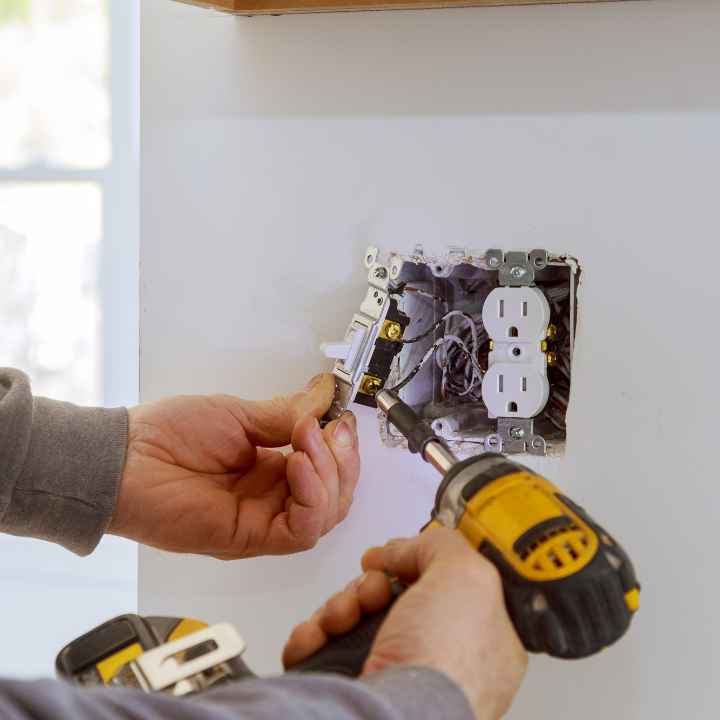
Electrical work always requires permits in Pennsylvania. Installing new circuits for kitchen appliances needs a permit. Adding outlets or upgrading your electrical panel requires approval. New lighting installations, even simple recessed lights, need permits from your township or the electrical regulatory authority.
Plumbing changes trigger permit requirements when you move water or gas lines. Relocating your sink to a different wall requires a plumbing permit. Adding a gas line for a new range needs approval. Moving drains or adding new water supply lines both require permits in Media, Newtown Square, Radnor, and other Delaware County townships.
Structural changes always need permits and inspections. Removing a wall between your kitchen and dining room requires a permit even if it’s not load-bearing. Adding windows or exterior doors needs approval. Expanding your kitchen into adjacent space requires structural permits.
HVAC modifications need permits when you change ventilation or heating. Installing a new range hood that vents outside requires a permit. Adding heating or cooling to your kitchen space needs township approval.
Some kitchen work doesn’t require permits. Replacing cabinets without changing walls or plumbing doesn’t need a permit. Swapping countertops on existing cabinets proceeds without permits. Painting, installing new hardware, or replacing appliances in the same location typically don’t require permits.
Each Delaware County township has specific thresholds. Media Borough may interpret requirements differently than Edgmont Township or Newtown Township. We coordinate with local inspectors across these townships regularly and know which departments move faster and which require extra documentation for kitchen projects.
Why Kitchen Remodeling Permits Matter for Delaware County Homeowners
Permits protect your safety and your investment. We’ve seen what happens when homeowners skip permits and later face consequences that cost far more than the original permit fees.
Safety comes first with permitted work. Permits ensure your electrical work won’t cause fires. Inspectors verify your plumbing changes won’t lead to leaks or gas problems. Code-compliant work protects your family from hidden dangers.
Your homeowner’s insurance coverage depends on permitted work. Insurance companies can deny claims for damage caused by unpermitted work. A kitchen fire caused by unpermitted electrical work could leave you covering all repairs yourself.
Resale value takes a hit from unpermitted work. Home inspections flag unpermitted kitchen remodels during the selling process. Buyers walk away from deals when they discover unpermitted work, or they demand price reductions to cover the cost of bringing everything up to code. Real estate data shows unpermitted work can reduce home values or kill sales entirely.
Appraisals don’t give full credit for unpermitted improvements. Your beautiful new kitchen might not add any value to your home’s appraisal if the work wasn’t permitted. Banks won’t finance based on unpermitted square footage or improvements.
Permits create legal protection for you. The permit record proves your work was inspected and approved. This documentation protects you if future problems arise or if you need to prove code compliance.
Who Handles Kitchen Remodeling Permits: You or Your Contractor?
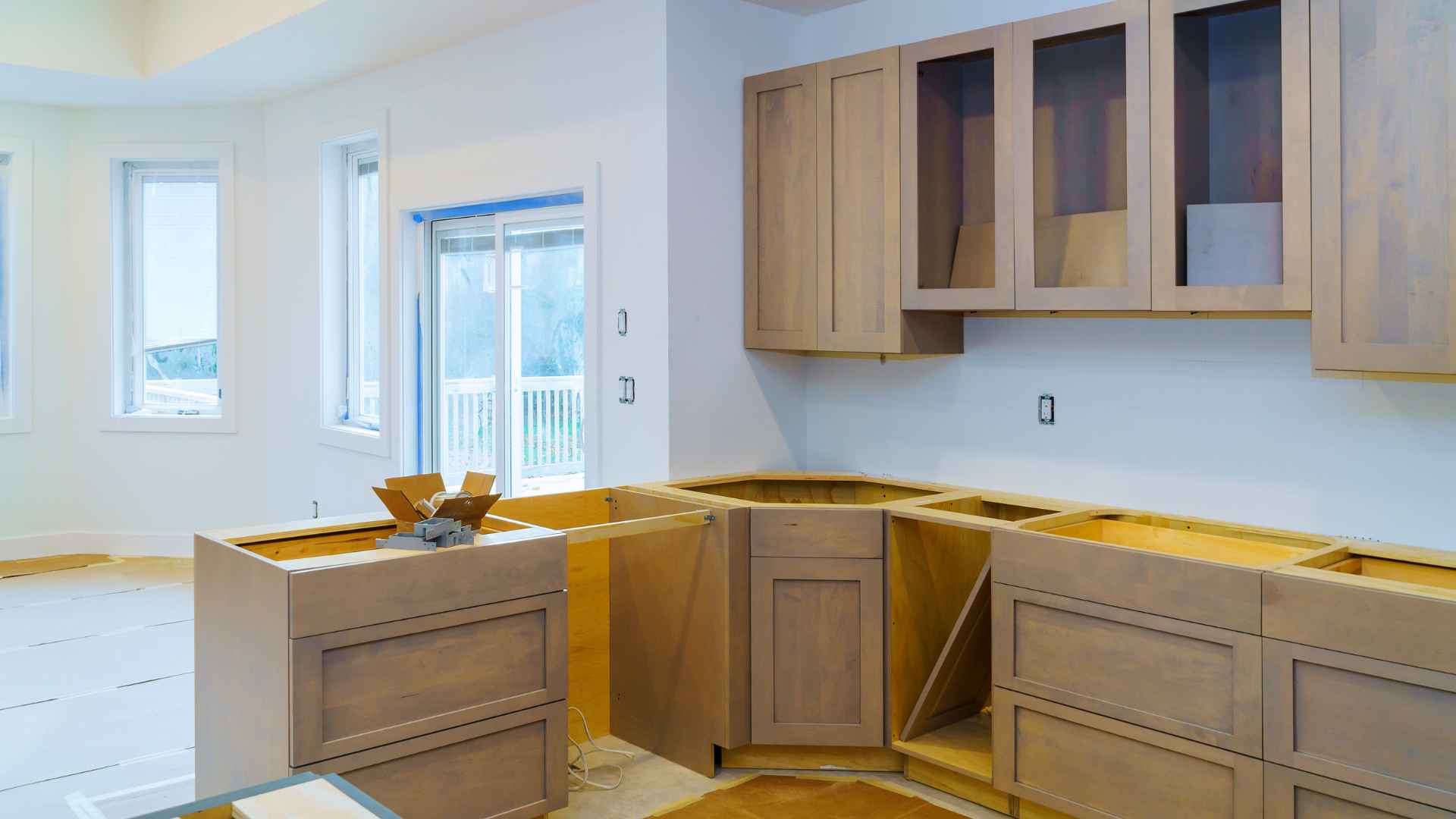
Understanding who pulls permits protects you from taking on liability that should belong to your contractor. The wrong approach here creates legal and financial risks.
Licensed contractors typically pull permits and manage all inspections. This is standard practice and part of what you pay a professional contractor to do. We pull permits for every kitchen remodel and coordinate inspection scheduling so your project stays on track.
Homeowners can pull permits for DIY work but this comes with serious responsibility. You become legally liable for all code compliance. You must schedule inspections at the right stages. You’re responsible if work fails inspection or causes problems later.
Watch for red flags from contractors. Any contractor who suggests skipping permits is either unlicensed or cutting corners that will cost you later. A contractor who wants you to pull permits is shifting legal liability onto you. Both situations should send you looking for a different contractor.
The permit process moves quickly in most Delaware County townships. Applications typically get approved within two to five business days. Media Borough, Newtown Square, and Radnor all process permits relatively fast when applications are complete and accurate.
Your contractor should provide complete permit documentation. We give clients copies of all permits before starting work. We schedule inspections and notify clients when inspectors are coming. We provide final approval documentation showing all inspections passed.
The Kitchen Remodeling Permit Process in Delaware County
Understanding the permit process removes mystery and shows you what to expect when working with a professional contractor. We handle this process regularly across Delaware County townships.
Step one involves submitting plans and applications to your township building department. We prepare drawings showing the scope of work, including electrical plans, plumbing changes, and structural modifications. Applications include contractor information, insurance certificates, and project descriptions.
Step two is plan review and approval. Building departments review electrical plans, plumbing modifications, and structural changes. Some townships complete reviews in days while others take a week or more. We’ve built relationships with local building departments that help move approvals efficiently.
Step three is the rough-in inspection before closing walls. This happens after electrical and plumbing work is complete but before drywall goes up. Inspectors verify everything meets code while they can still see the work. This is the most important inspection because problems found later require opening finished walls.
Step four is the final inspection after project completion. Inspectors verify finished work matches approved plans and meets all code requirements. Passing final inspection means you get a certificate of occupancy or approval for your kitchen.
Timeline expectations help you plan accurately. From permit application to final approval typically takes three to six weeks for a complete kitchen remodel. This includes application processing, rough-in inspection scheduling, completion work, and final inspection. We coordinate these steps to keep your project moving without unnecessary delays.
Our inspection scheduling process ensures your project doesn’t sit idle waiting for inspectors. We schedule rough-in inspections as soon as electrical and plumbing work is complete. We stay in contact with building departments to catch and resolve any issues quickly.
How to Choose a Kitchen Remodeling Contractor Who Handles Permits Correctly

Your contractor choice determines whether permits become a smooth process or a nightmare. We’ve seen homeowners struggle with contractors who skip permits or handle them incorrectly.
Verify your contractor holds an active Pennsylvania contractor license and proper insurance. Ask to see license numbers and insurance certificates. Check that their coverage includes the work they’re doing in your kitchen.
Ask contractors to show examples of past permit documentation. We keep copies of permits and inspection approvals from completed projects. Contractors who handle permits correctly will have this documentation readily available.
Confirm permit costs are included in written estimates. Some contractors provide low initial estimates then hit you with permit fees and inspection costs later. We include all permit fees in our project estimates so you know the complete cost upfront.
Look for contractors with established relationships in your township. We work regularly with building departments in Media, Newtown Square, Edgmont, and Radnor. These relationships help us get faster permit approvals and smoother inspections.
Ask specific questions about permits and inspections. “Do you pull permits for all required work?” should get a clear yes. “Can I see examples of your inspection history?” shows whether they have a track record of passing inspections. “What happens if work fails inspection?” reveals their problem-solving approach and whether they take responsibility.
Ready to start your kitchen remodel the right way? We handle everything from permits to final inspection for homeowners throughout Delaware County. Schedule your free consultation and we’ll walk you through exactly which permits your project needs and how we manage the entire process.
See examples of permitted kitchen projects we’ve completed across Media, Newtown Square, and surrounding Delaware County communities.